Nurturing an indigenous forest back to life at the southern tip of Africa
Festival-goers planted more than 8,000 baby trees across hillsides recently scorched from the worst summer fire season in living memory – in anticipation of the arriving Southern Hemisphere winter rains.
By Megan Lindow
The indigenous Platbos Forest at the southern tip of Africa offers a precious refuge of beauty and abundant, diverse life in a wider landscape of ecological disturbance from industrial monoculture farming.
My son Ben and I recently returned from a long weekend of tree planting, music and good vibes at the annual Greenpop Reforest Fest, and I was inspired to record this reflection for our "Short impressions from sacred places" podcast series:
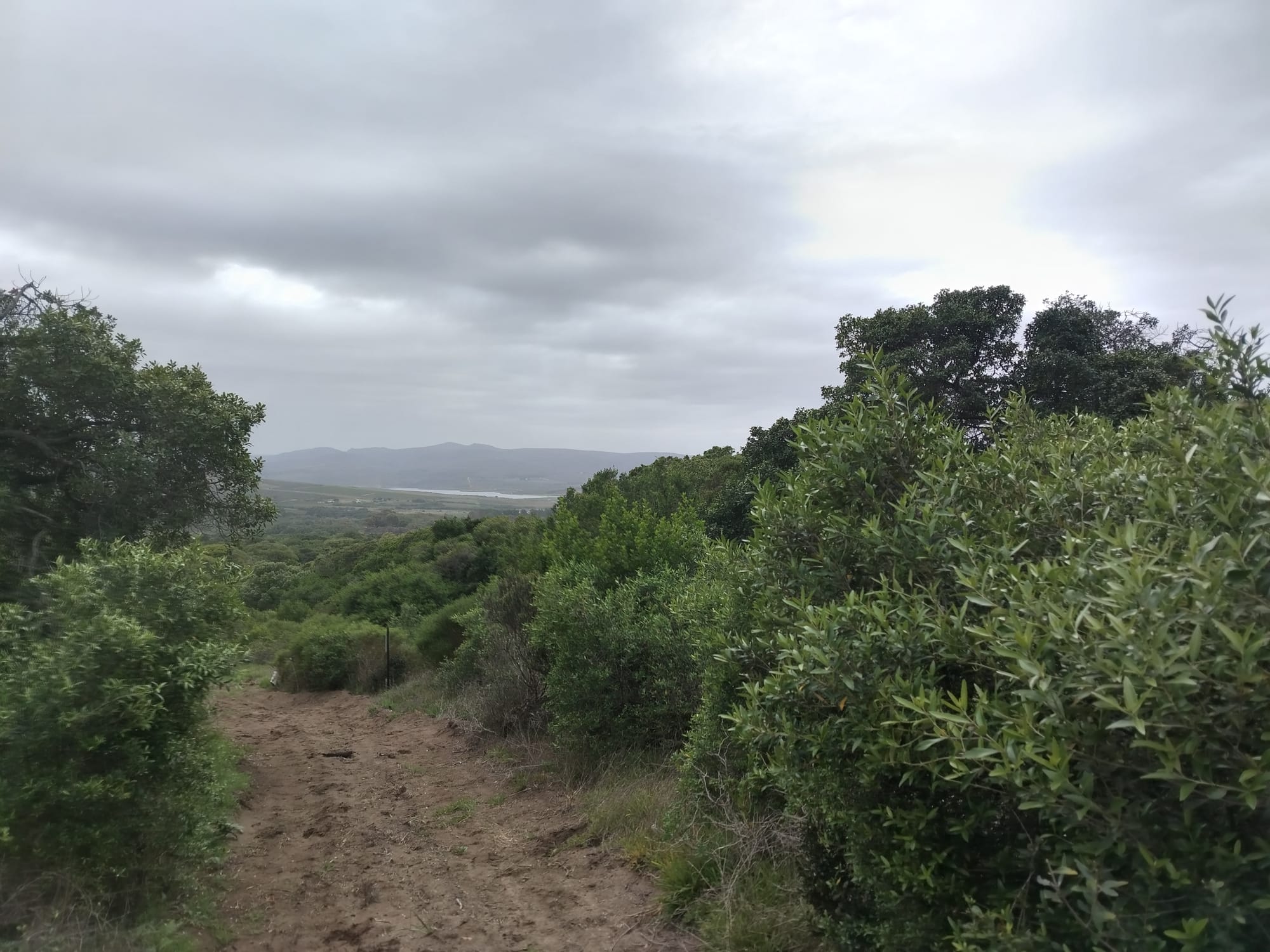
Hundreds of us festival-goers planted more than 8,000 baby trees in biomimicry fish scale patterns on a hillside recently scorched from the worst summer fire season in living memory – in anticipation of the arriving Southern Hemisphere winter rains that are needed to help nurture this tender young forest to long-term vitality and abundance.
After the planting, I took a walk with the guardian of the Platbos Forest, Francois Krige, to learn more about this exquisite life-place. As he said, the recent fires have introduced a dramatic reset to the whole landscape.
Only small fragments of this area's natural forest cover remain, and Francois has been tending these and heading up replanting efforts over the last 20 years. With hotter, drier conditions, the forest no longer propagates itself sexually, but rather the established trees will produce new suckers and stems.
The baby seedlings that pop up on the forest floor will die out during the harsh summer months, if left unattended. So Francois and his team bring them up to the forest nursery and tend to them for a year or two until they are big and hardy enough to be planted at the reforestation sites.
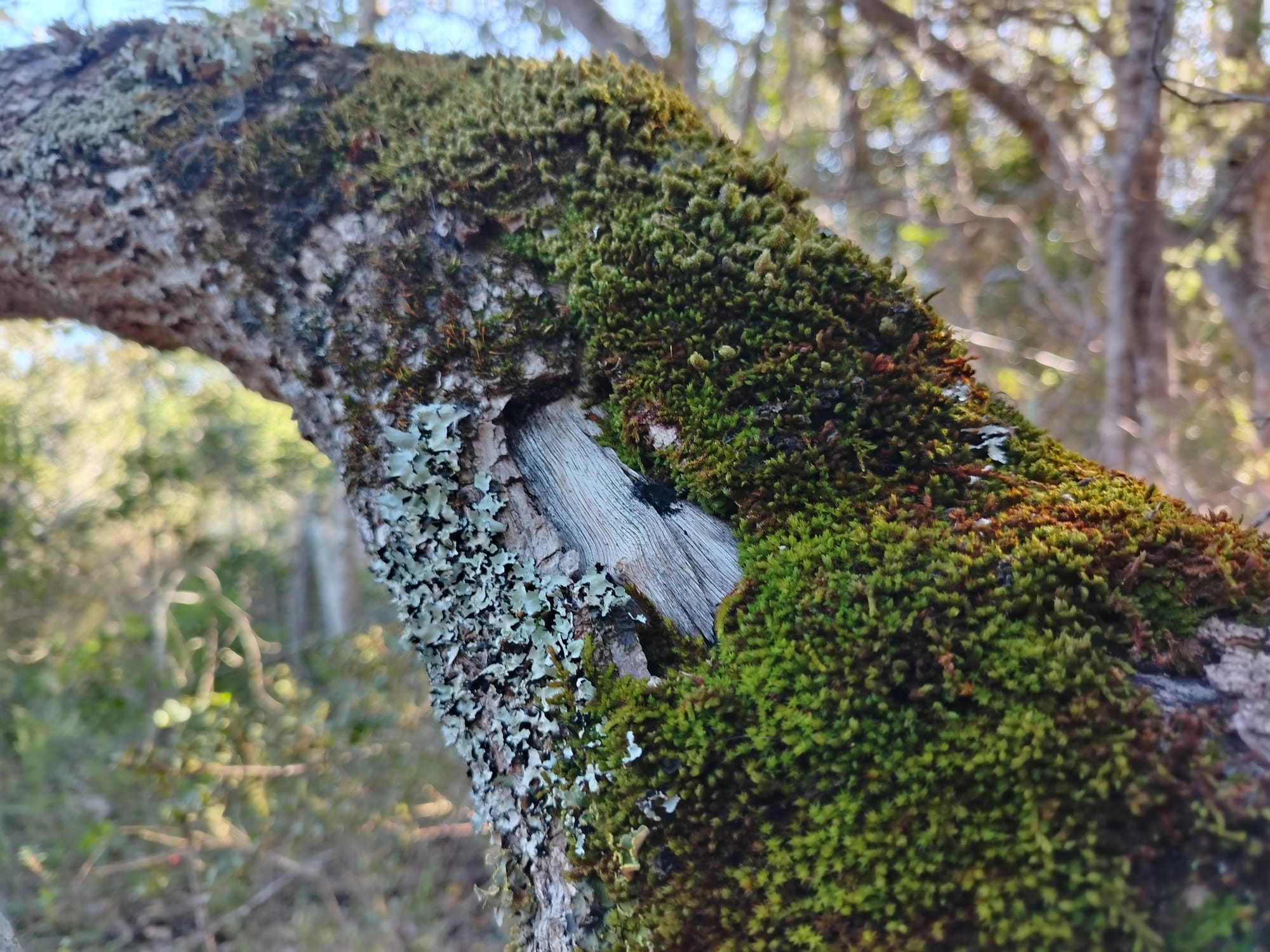
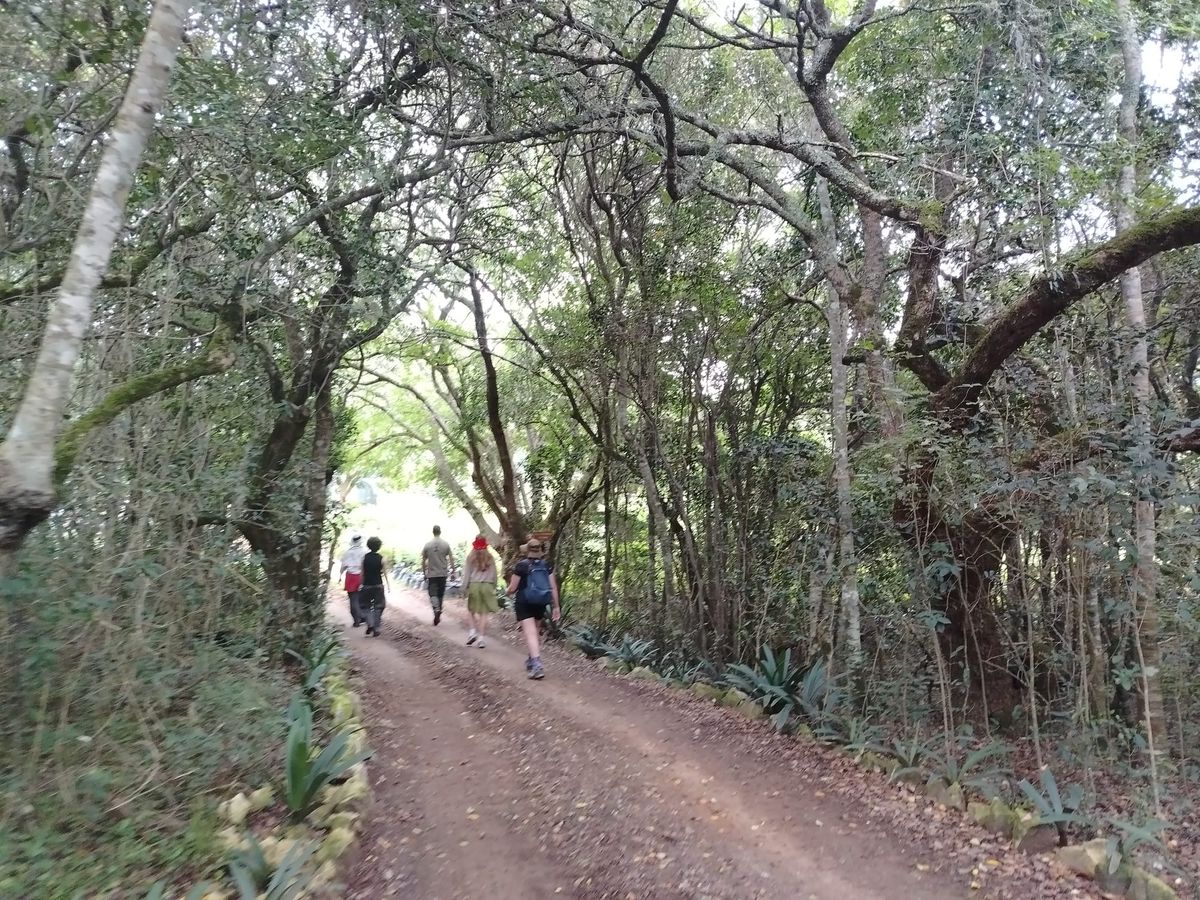
The forest operates on its own timescale – on forest time. With Francois, we walked through a variety of different forest terrain – the well-established forest filled with vibrant birdsong and the weaving, wavy, mossy tendrils of vines and trees, some 1,000 years or even older. The 10-year old forest planted by hand and now well-established, the shoots and stems of the young trees rising above the height at which the hungry bushbuck who have been nibbling them back. And of course, the baby trees, still vulnerable to fire and drought, enough of whom we hope will survive the coming years to form the basis of an abundant, resilient forest lasting many generations into the future.
Enjoy the episode!