Millicent Olal-Muchilwa - Nam Sango/Lolwe Waterkeeper, defending and re-storying East Africa's Great Lake - r3.0 weaves + dispatches
"As I've grown up, the lake has basically completely degraded. The beaches were carried away by sand harvesters. When I was growing up there was no plastic in the lake, it shows you how much change has happened in 20 years" - Mickie Muchilwa (Millicent's daughter).
By Megan Lindow
Nam Lolwe is the vast and endless lake. She is also called Nam Sango, because she is fed by the waters of many different rivers that pool together into one large waterbody, the largest freshwater lake in Africa. These names were given by the DhoLuo people, the traditional fisherfolk living on the eastern shores of the Lake, for whom life, culture, economy and cosmology were always shaped in conversation with the flows of water – reflected in the myths and oral stories people told.
Kenyan-born Millicent Olal-Muchilwa is Northern Basin Nam Sango/Lolwe Waterkeeper; she has dedicated her life to defending the Lake and her living communities. Millicent has been a StoryMoss friend since last year's r3.0 conference. She is mother to Michelle (Mickie) and Jeremy, two eloquent and inspiring 'Hummingbird Activists' who are building a youth-led movement, Osiepe Sango (meaning "Friends of the Lake" in the DhoLuo language), to tackle widespread plastic pollution and restore the ecosystems of Nam Sango/Lolwe (also known as Lake Victoria; I'll refer to the Lake hereafter as Nam Lolwe). Millicent joined us in Joanna Macy and Chris Johnstone's online Active Hope training earlier this year, where she shared her ongoing struggles to support frontline communities resisting the Kenyan government's plans to build a nuclear power station on the lakeshore. In our recorded conversation below, held just before this year's r3.0 conference which took place September 8-10 2026, Millicent shared how her parents' and grandparents' old stories of Nam Lolwe, and the strength of her ancestral ties to the Lake, continue to feed her ongoing and tireless advocacy work. In this way, deep practices of kinship, connection and care for the Lake have passed from generation to generation in Millicent's family.
Watch our conversation:
For a deeper dive into the inspiring backstory of Mickie and Jeremy's activism for the Lake, listen to our in-depth podcast episode. In it, we hear of how Mickie, Jeremy and Millicent reconnected with the Lake during the COVID-19 pandemic, and how their activism continues to evolve through a spirit of youth-led passion and collaboration – branching out into streams of technological innovation, de-colonial worldbuilding, wetlands ecology restoration, gender advocacy, design thinking, indigenous knowledge, and more. Listen here:
In our most recent conversation with Millicent, the stories of the Lake that her parents and grandparents would tell around the fire took a central place. As we heard from the cultural ecologist and philosopher David Abram during the r3.0 conference, practices of oral storytelling and bioregional kinship go hand in hand. His wondrous book The Spell of the Sensuous describes in detail how the language and stories of oral, indigenous cultures around the world shimmer in relationship and reciprocity with the distinct voices of the rivers, the mountains, the lakes, the rocks, the frogs, the spiders, the coyotes, the thunder, the storm clouds that all constitute the lifeworld of a place.
"Each perceived presence is felt to have its own dynamism, its own pulse, its own active agency in the world. Every phenomenon has the ability to affect and influence the space around it, and the other beings in its vicinity. So every perceived thing is felt to be animate, in other words, at least potentially alive. So there is no clear divide between that which is animate and that which is inanimate," he said.
For example, the whirlwind that occurs on Nam Lolwe is called Nyakoi, the Snake that moves down from the hills after a long spell of drought, blowing of rooftops, felling trees and creating sandstorms. When it swirls up to the sky from the Lake's waters, the area becomes very dark and no boat ventures out into the deadly waters. "There was the story of the snake that would come out from the depths of the water, and when it came out, you wouldn't even see it clearly, you would just see that it's a dark figure, and when that happened, the fisher folk were not supposed to go out to the lake at all," Millicent recalled.
Millicent was born and raised far away from the Lake, in the congested and rapidly expanding city of Nairobi. As she grew older she felt a sense of longing for other places tugging at her heart. "The tug was actually pulling me back to my ancestral land," she said. "I just wanted to come back and see how my forefathers lived. When I came in, I felt so much at home and my heart just settled in ways that I could not even express."
She returned to Kisumu, the place of her ancestral roots, in 1997, as a volunteer for a project dedicated to tackling the scourge of invasive water hyacinth that was spreading on the Lake. Carpets of water hyacinth would appear, so dense that fisher people couldn't take their boats out on the lake. Their livelihoods were being smothered. Millicent trained people and worked with local artisans in the community to harvest and process the water hyacinth, and make products like art paper, picture frames and rope furniture, each with an inspiring story. She then helped to link them with local and international markets.
As her children were growing up, the Lake receded from their busy lives. They didn't visit her shores as often, and so they didn't notice the new onslaughts of sand mining, plastic and industrial pollution that were steadily degrading her. Then during the COVID-19 pandemic, Mickie and Jeremy convinced Millicent to let them pursue their own interests instead of attending online school – and Mickie found that her primary interest was Nam Lolwe. Why was there so much plastic pollution? Why had the beaches all disappeared? Why were her younger siblings eating less fish than before?
Nam Lolwe is practically a freshwater ocean. She is the largest lake in Africa, and the second-largest freshwater lake in the world – the livelihood source of some 42 million people living along the shores spanning Kenya, Uganda and Tanzania. To the Buganda people, she is Nnalubaale. And to others she is called Nyanza, or Ukerewe. She is part of a larger chain of lakes extending along East Africa's Rift Valley, fed by the formidable Rwenzori Mountains, the great water tower of East Africa, and other sources. Her northern outflow feeds the White Nile River that joins with the Blue Nile, forming what is possibly the world's longest river system that eventually empties into the Mediterranean Sea.
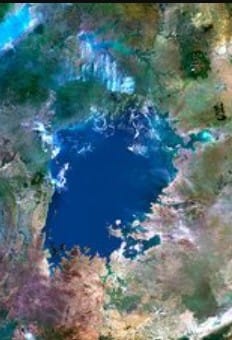
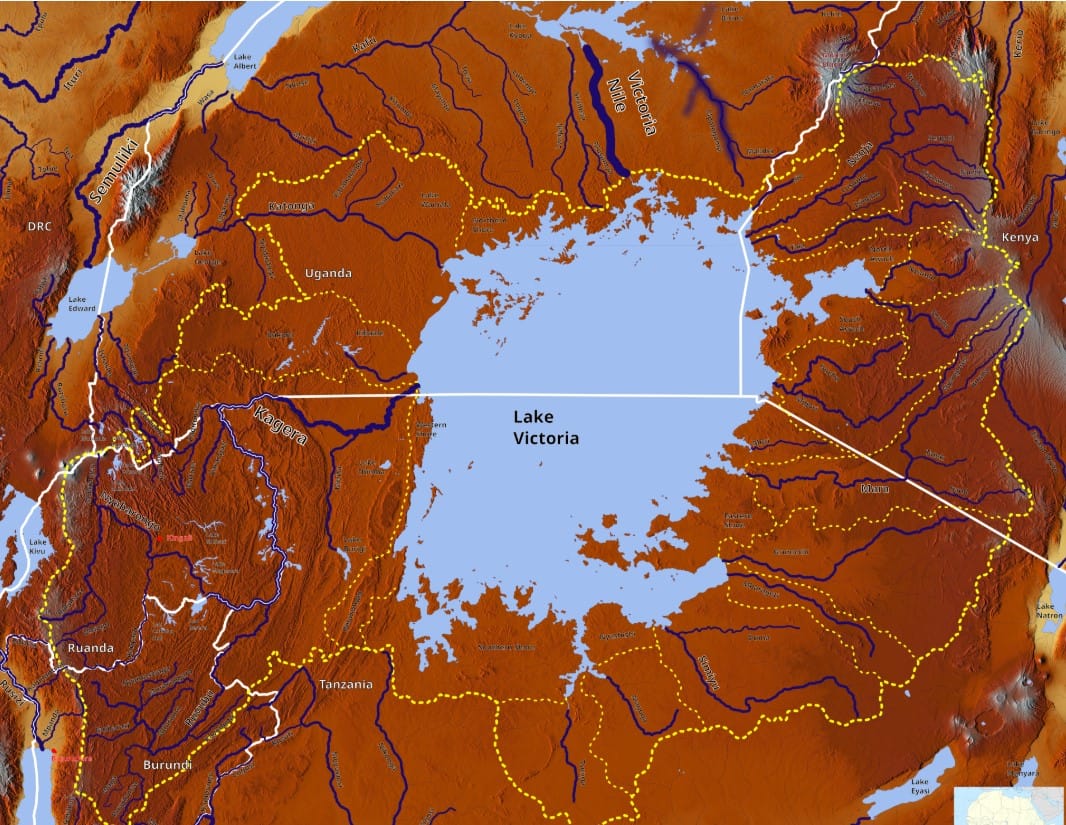
As Mickie, Jeremy and Millicent all reconnected with the Lake through the journey of creating Osiepe Sango, Millicent remembered the stories her mother and grandmother used to tell. She realized how this mythology was a way of protecting and preserving the lake, and respecting the needs of all the people and animals living there. The story of the tortoise and the hare, for example, carried an important community-building message: If you want to go fast go alone. If you want to go far, go together. And the story of the hippos and the crocodiles caught in a territorial tug of war – neither side able to defeat the other – reinforced the message that all the people and animals, including the fish and the Lake herself, need their own space to breathe and replenish.
"It was not the Lake as a separate entity, but the lake always being part of us, and we being part of it," Millicent said.
People in the community always referred to Millicent as her grandfather's granddaughter. It was through hearing the stories of the community that she developed a sense of who her grandfather was, and his legacy. "He was a teacher, and people learned a lot from him," Millicent said. "So a lot of people who interact with me call me 'teacher,' but I'm not a teacher by profession. So what does that tell me? There are some aspects I have picked up from my Grandpa, inasmuch as I did not see him. I feel like I know him from all that I've heard about him. So cultural knowledge is very important as well. It also helped me understand what sort of people my grandparents were, what sort of people were the great grandparents who went before them. From that, I'm comfortable in myself, understanding that I belong."
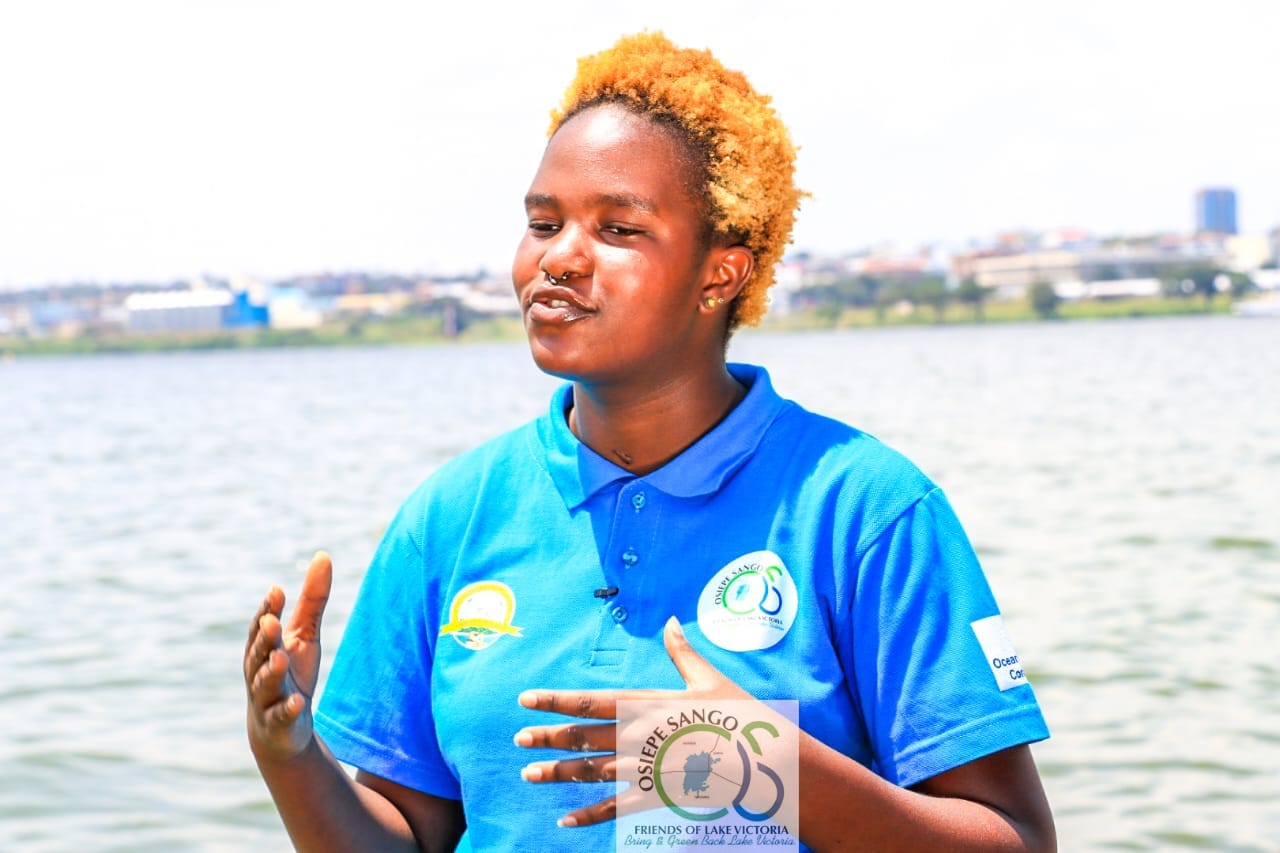
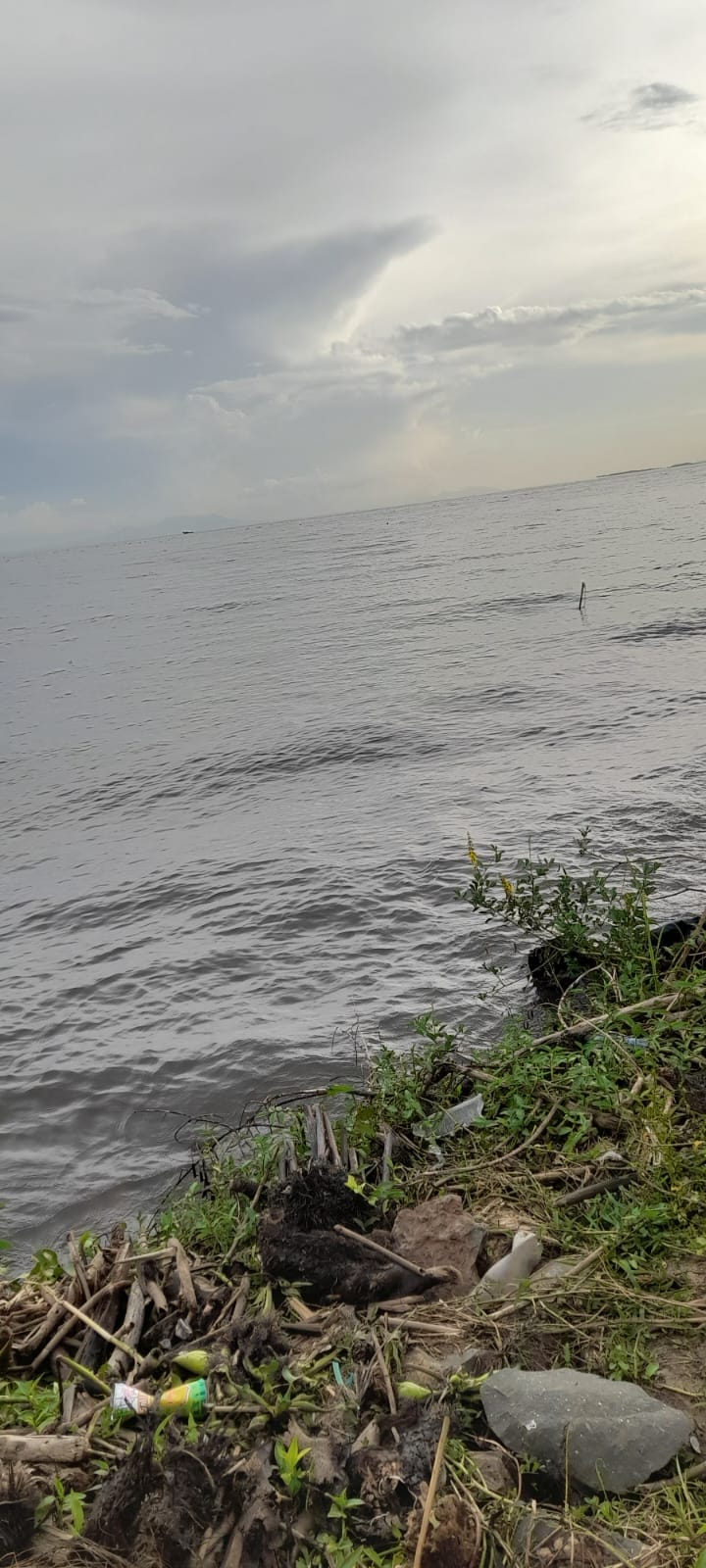
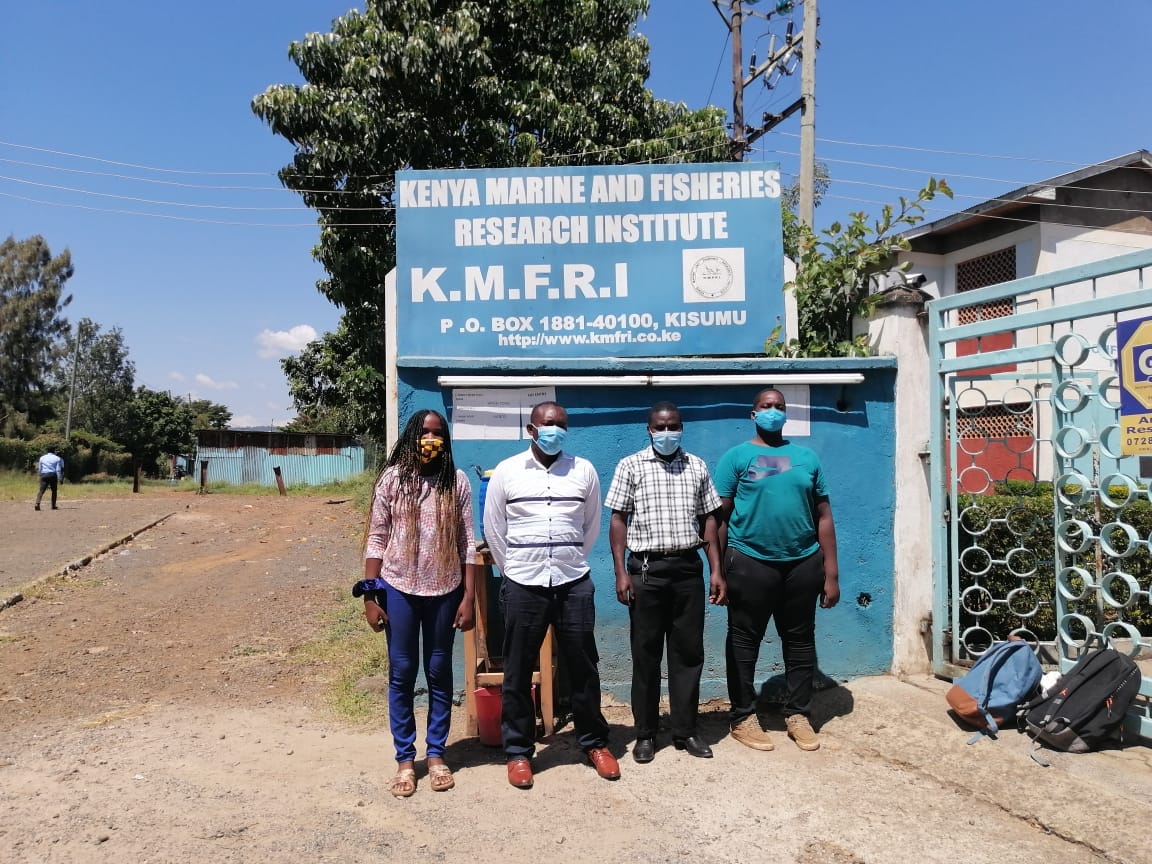
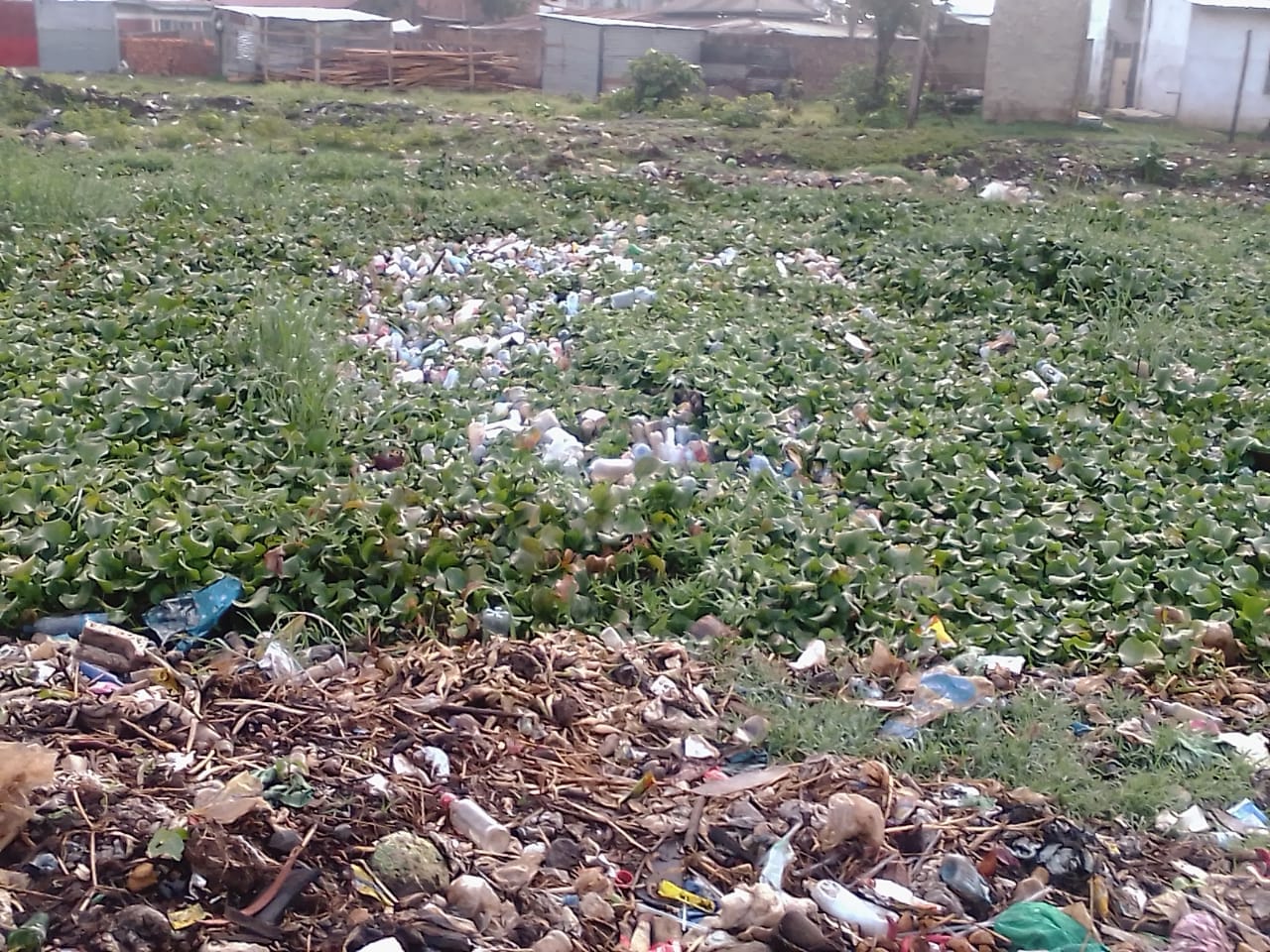
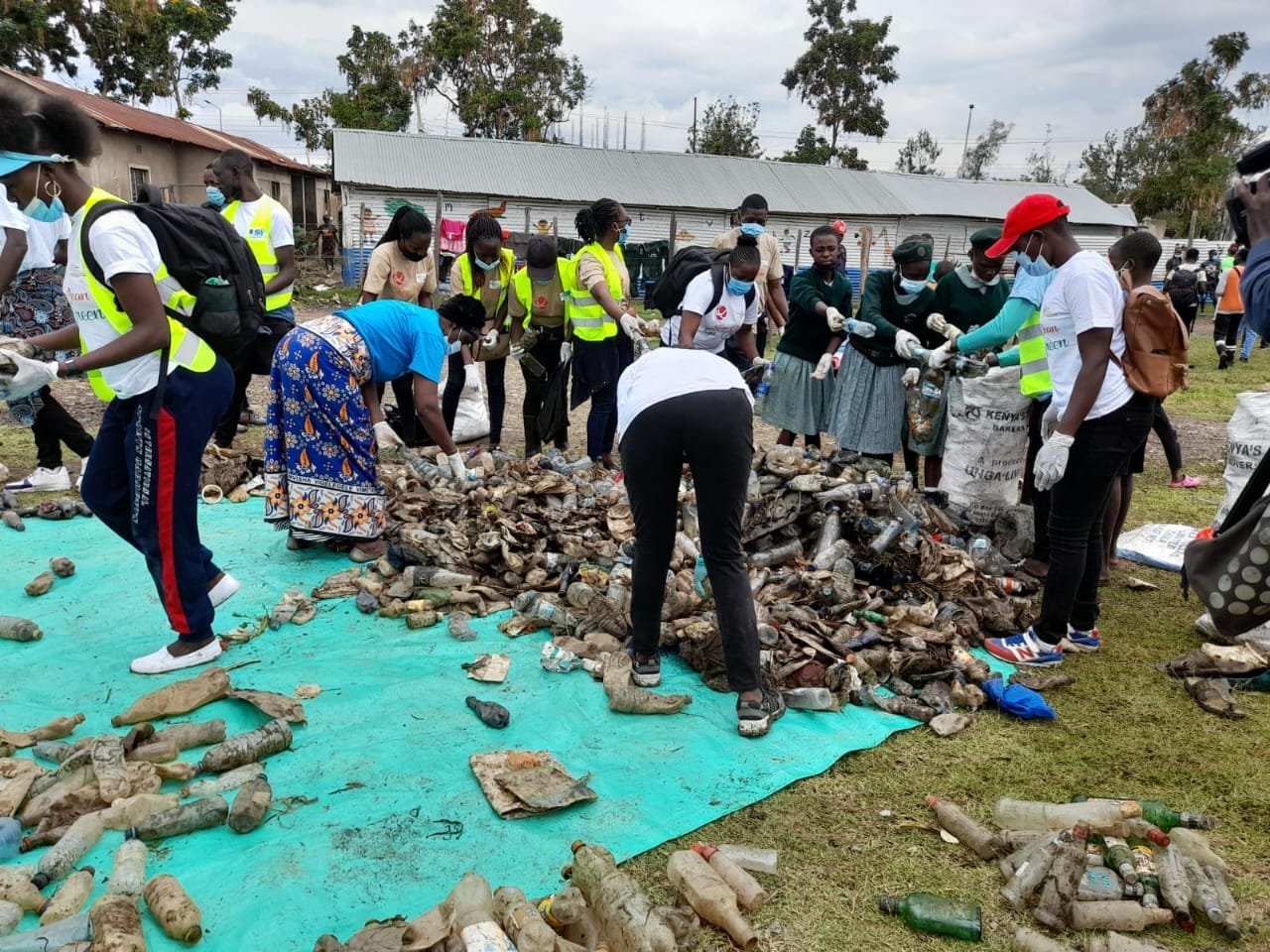
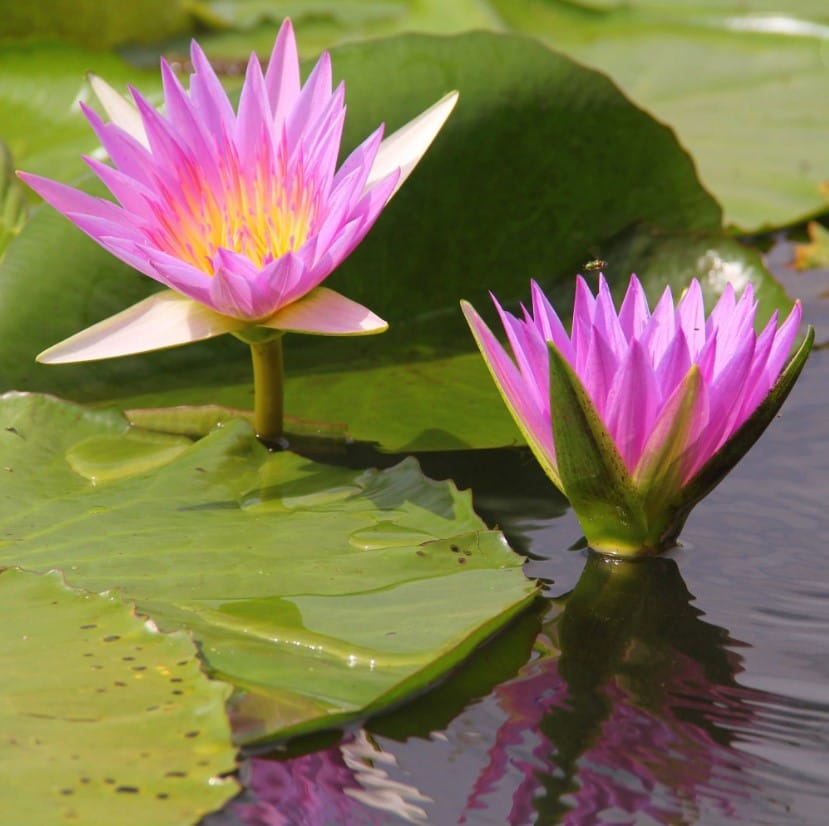
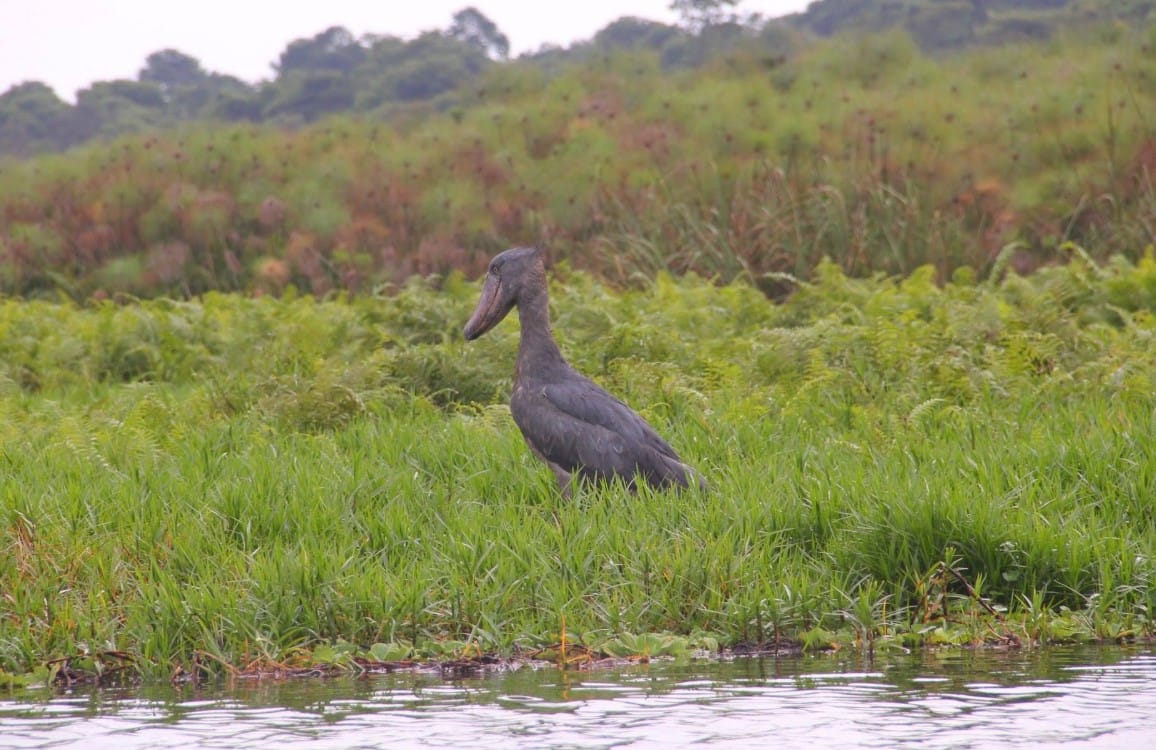
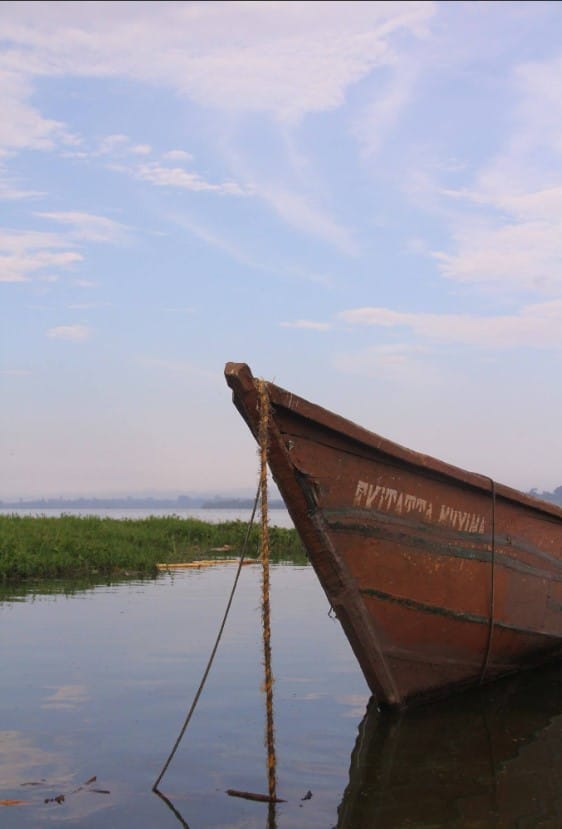
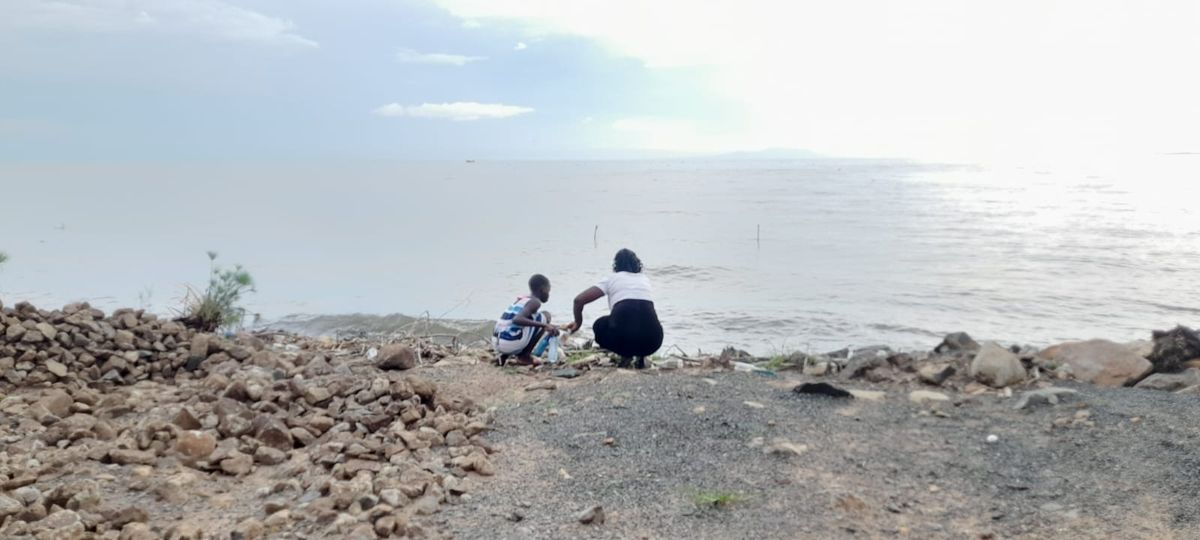
Contrasting images of Lake's beauty and degradation, amidst the beauty of ongoing collaborations to restore her rich ecosystems, courtesy of Millicent Olal-Muchilwa and Megan Lindow
This legacy continues to infuse into Millicent's activism and care for the communities and waters of Nam Lolwe. Soon after she was admitted to the Waterkeeper Alliance, Millicent found out about the nuclear power plans. She has been working to sensitize people to what this means for the surrounding communities and the Lake. She has also stepped in to support community members facing violent opposition, arrests, harassment and detentions under strong charges like 'terrorism' by the government. "The rural community has needs ranging from psychosocial support to transport for their court cases on trumped up charges," she said.
It is a hard struggle, and the struggle continues. Millicent said (lightly edited for clarity):
"I don't like what's going on, but I love it that I'm meeting a lot of people, cross-generational and elderly, like the environmental defender incarcerated, who is a retired civil servant. He's in his 60s, but he says, "You guys keep pushing. Yeah, I'm strong even when I'm in incarceration, and I want you guys to move ahead. We cannot allow it."
So it is awesome to be amongst people who share in the cause. All the kids and the people who have started coming out and pushing, this just tells me this was a call from the earth. This was the call from the ancestors. Where are the people who are going to stand up and be the voice of this voiceless lake, for the 42 million people deriving their livelihoods from the lake? Do they even stop to think about it? Who will speak for the fisherman? Who will speak for the hippo in the lake? Who will speak for the crocodile? Anytime the crocodile jumps on somebody, the crocodile dies. But why is the crocodile coming to where people are? We have destroyed their habitat and it's time we stop just reacting to these challenges, and we begin the actual work of regeneration.
We want to see wetlands back on this lake. We want there to be no cultivation on river banks and on the lake shore so that we can regenerate and return to the natural ways of filtration of water. All the fertilizer is coming from the hills into the lake. The lake does not need to be fertilized. Fish do not need fertilization. It's high time this conversation comes to the fore. Not just in Kenya, but across Africa, across the nations. Let us come from this aspect of thinking that we know it all because we have gone to school. Let us start listening to our landscapes, our rivers, our lakes, our trees, our forests, our watersheds. Let us get back to being one with our environment and not considering the environment as a different part of us. And it is at that moment that we will begin reconnecting our fragmented selves and become whole again. The healing will come from us restoring what we have destroyed."
To support Millicent's campaign, please reach out to us directly at storymossmagazine@gmail.com and we will connect you with Millicent.
For further reading, viewing and inspiration:
 Megan Lindow Emmanuelle Chiche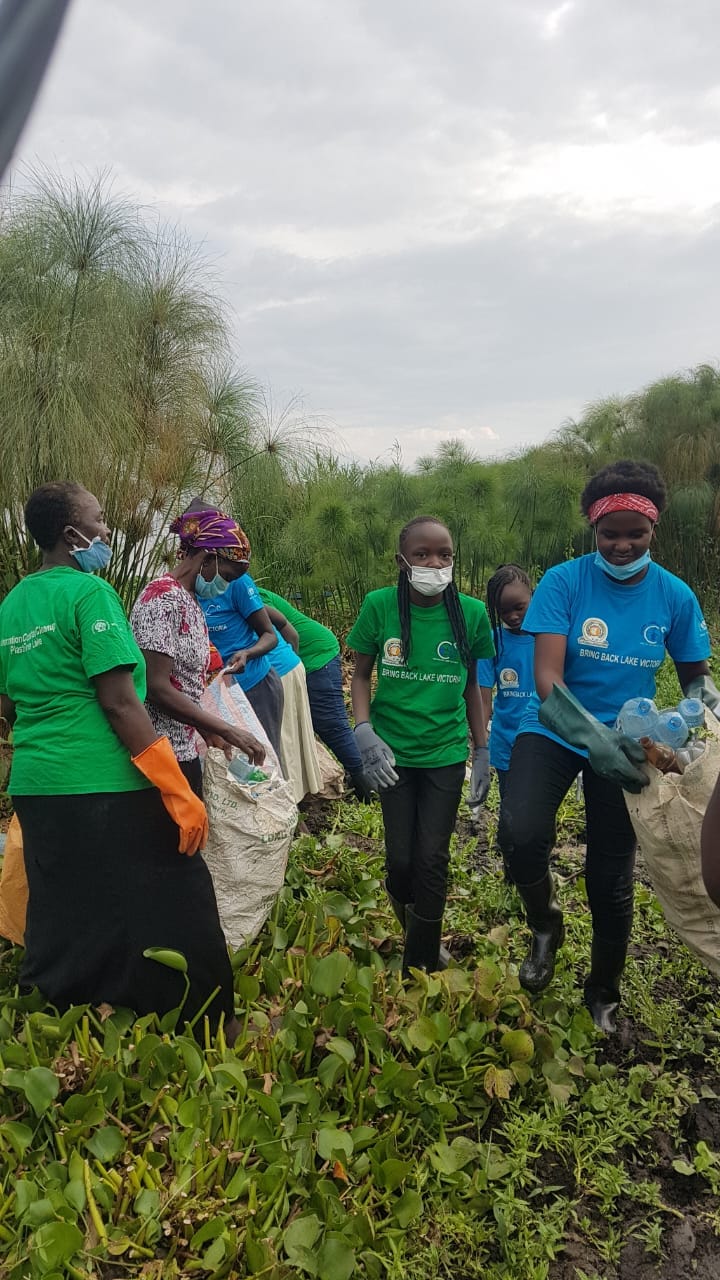
 Sherie Gakii