Reflecting on the Tibetan Plateau Tragedy with Prof. Pramod Parajuli - an opportunity for learning, unlearning and relearning
The Langtang Lirung mountain and its melting snows are revealing new dimensions of Mother Earth's continuous dance with shifting planetary realities. They are inviting us all to harmonize our relationships upstream and downstream within watersheds.
On September 4, 2026, as a clearer picture began to emerge of what actually happened in the Rasuwa Disaster of August 26 in Tibet and Nepal, we sat down with Prof. Pramod Parajuli for a special recording to reflect on the tragedy's deep and wide significance – and ultimately the incredible learning, unlearning and relearning opportunity that it offers for Nepal, Tibet and the world. This is part of our continuing dialogue series with Pramod, the founder and thought leader of Annapurna Pluriversities: Learning to Regenerate While Regenerating to Learn, and host of the online forum Regenerative Nepal: Dream to Design. Together we are exploring the Himalayas as a site of sanctuary and regeneration in this liminal time of the Blue Hour, through themes of water, soil, food, fiber, flavor, watershed relationships and much more.
Listen to our conversation as a podcast:
Or watch on YouTube:
In the Himalayan disaster, as of this writing, 1,400 people were confirmed dead, 5,000 people were still missing, and some 19,000 people were in various phases of treatment, recovery and rehabilitation. With a deep sense of spiritual kinship and compassion, grief and love with all those suffering in this tragedy, we watched a YouTube video shared by a contemporary group of musicians, narrating and commemorating the event in the traditional oral and performative style of Nepal.
We only include a short clip of the video in our dialogue above, as the sound doesn't come through well. Watch it here instead – we found it very beautiful and moving:
Here is a donation link to relief efforts:

For centuries, major events and tragedies were always narrated in songs composed by traveling musicians known as Gaines and Gandarbhas, professional story-keepers whose job it is to document and offer social commentary on important happenings. Through their songs, played on a wooden bow instrument called the Sarangi, news of floods, earthquakes and political upheavals once traveled to far-reaching Himalayan communities. The tradition continues to this day in a digital form. This is how Nepalese people have lived and processed important societal events together, Pramod said. He himself remembers hearing the Gandarbhas' performance of songs commemorating Nepal's terrible earthquake of 1934, in his village when he was growing up.
Earthquakes, floods and disasters have always been a part of life among the high mountain peaks and sculpted valleys of the Himalayan uplift. Yet the tsunami shows us that something new is happening now. The mountain and its melting snows are speaking new languages, revealing new dimensions of Mother Earth's continuous dances with new planetary realities.
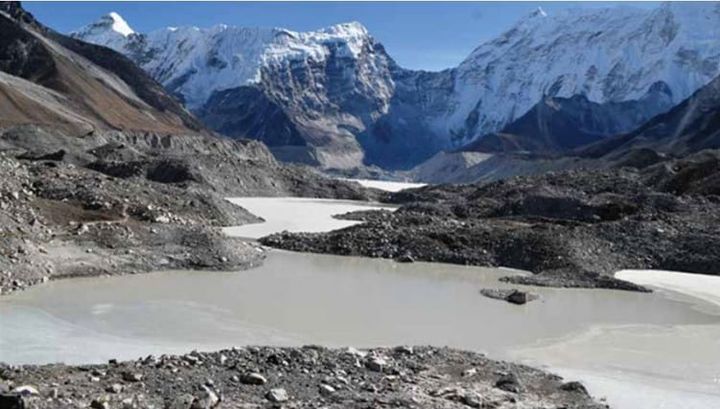
Langtang Lirung, the highest peak in the Langtang Himal mountain range, was the birthplace of the tsunami. As Pramod shared in our conversation, it is now apparent that something new was developing within this mountain for quite some time. As ambient temperatures have been rising slowly over decades, the snow, glaciers and underlying permafrost – which is the glue holding large rocks together within the mountain – have been melting. Vast volumes of snowmelt have been seeping into the mountain over time.
The first indication of this gathering force of melting waters came in Nepal's major earthquake of 2015, which triggered a glacier collapse on Langtang Lirung that caused an icy rockslide that destroyed Langtang Village in the valley below, killing some 400 people. Then another flood happened in 2025, not nearly as destructive as August 26. All this time, the melting waters were building up within the mountain, and then the mountain imploded from the inside.
Here is a short animation showing how the "Himalayan Tsunami" might have occurred:
As Pramod shared in our conversation, understanding what happened within the Langtang Lirung mountain, the world's 99th highest peak, will help us understand and prepare for other similar events globally, in the Arctic, Siberia, the Antarctic, the Andes, the Alps.
In this tragedy, there is a strong invitation and impetus for new ways of living collectively upstream, downstream and across borders within watersheds. The behaviors of the mountain and the snow confirm to us that we are in a time of breaching tipping points and planetary boundaries, and of dramatic and nonlinear disruptions; a time where "whatever we think is solid melts into air and water."
New language and new stories are now needed to help us integrate the melting of old paradigms and the emergence of new realities. "This is what happens when the mountain's coherence is lost, when its coordinates are not coordinating anymore," Pramod said. "Think of Langtang Lirung as a body which has lost its coordinates. Whatever was holding it before 2015 is no longer holding it."
In this liminal space of the Blue Hour, the vision of Annapurna Pluriversities as a living, learning laboratory becomes even more significant and compelling for all of us, for the people of the Himalayas and the world. It reminds us in no uncertain terms that humans are not supreme, that death is part of the cycle of life, and that beauty is everywhere. It invites a very deep and different kind of onto-epistemology, Pramod said – one that lets go of the old notions of modernity and progress, and dances with the all-encompassing life forces expressed through the wind and the glaciers, the snow and the permafrost.
In the not-so distant past, Pramod said: "we were always dancing with the rhythm of nature, and also eating from the wild... This might give a clue of how we work with nature, eat from nature, not putting a tunnel through the mountain, but dancing with that rhythm we have forgotten only in the past 20 or 30 years."
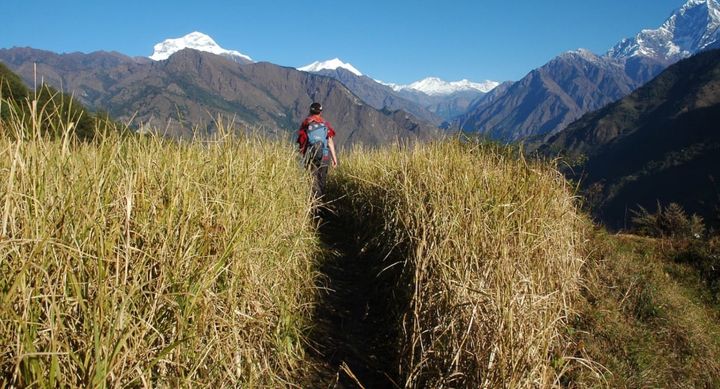
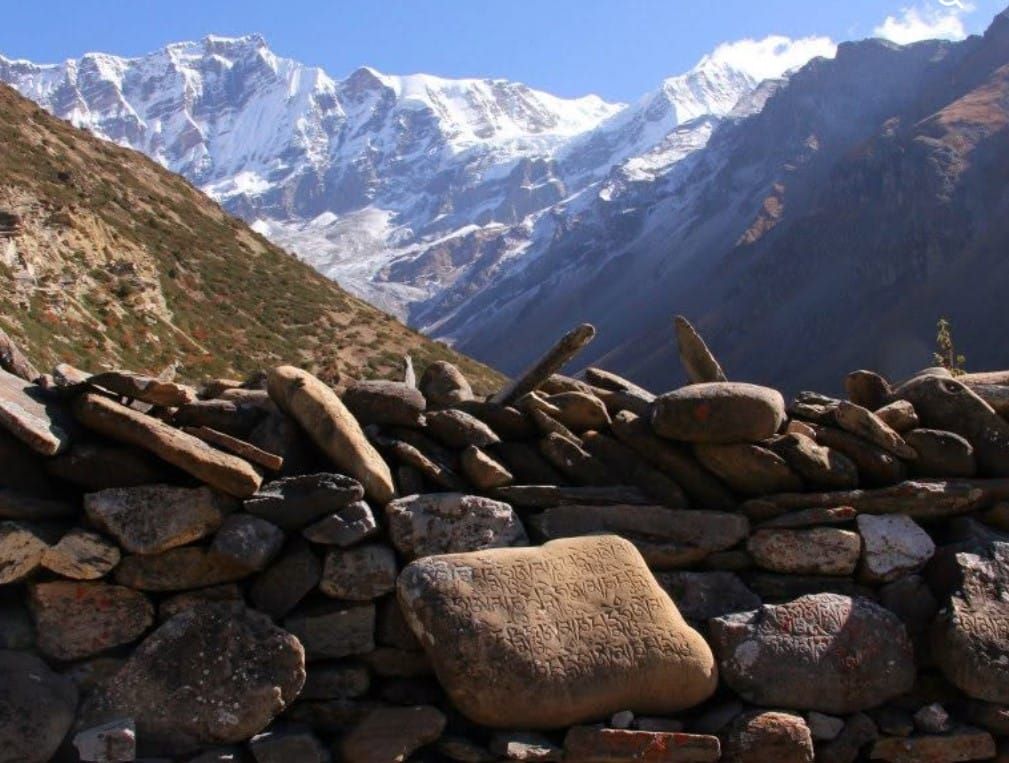
For a glimpse, we close this chapter of the story with some images of Megan's trek on the Annapurna Circuit in Nepal, experiencing the beauty of gently shifting landscapes and biocultures over a 3 week journey on foot. And in our next episodes, soon to be released, we will be deep diving into themes of the water cycle and following that, the soil and soil carbon, as we explore regenerative possibilities for the Himalayas with Pramod.
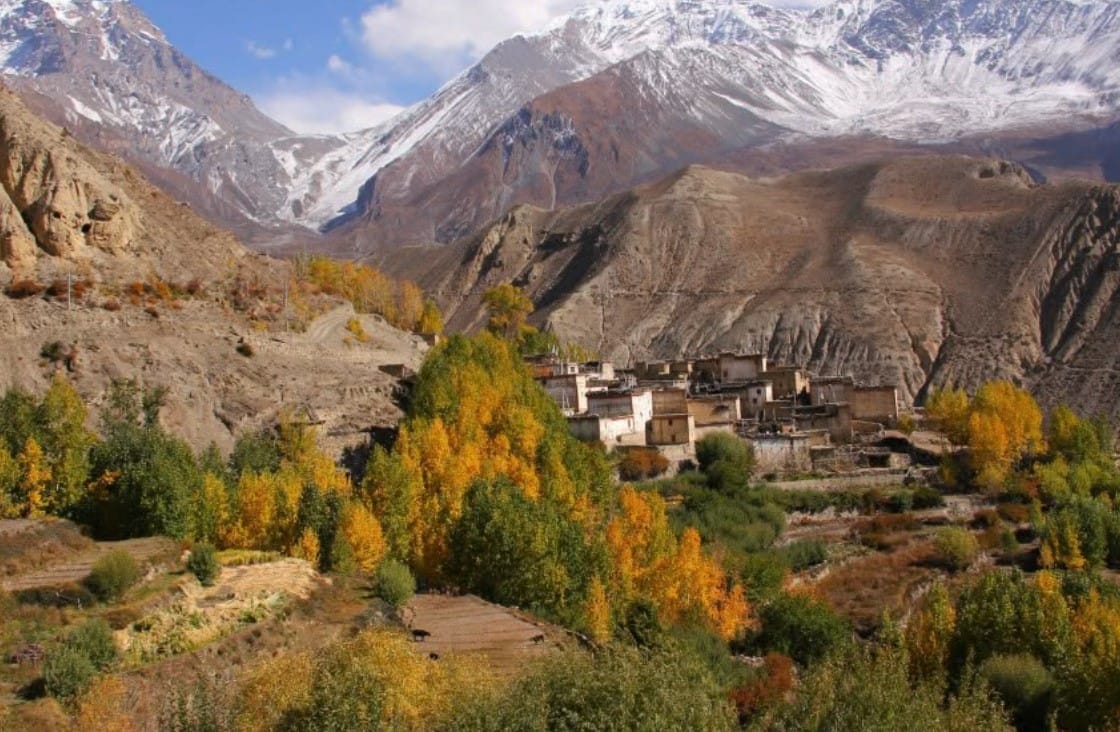
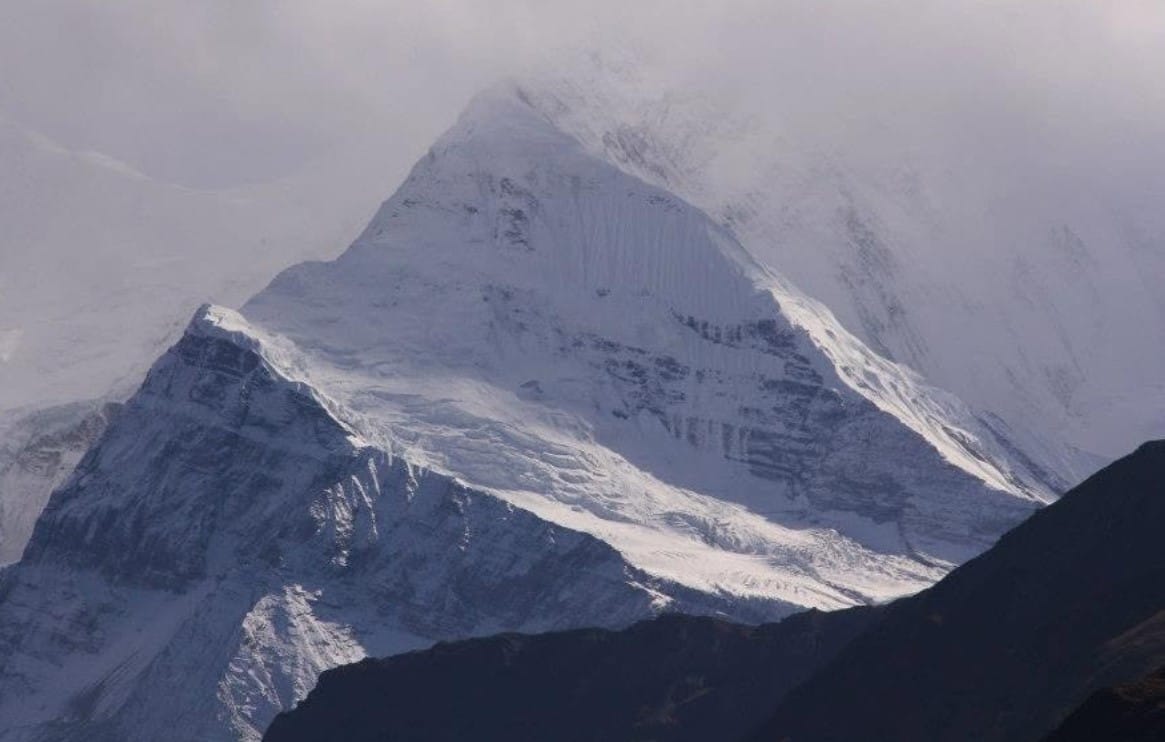
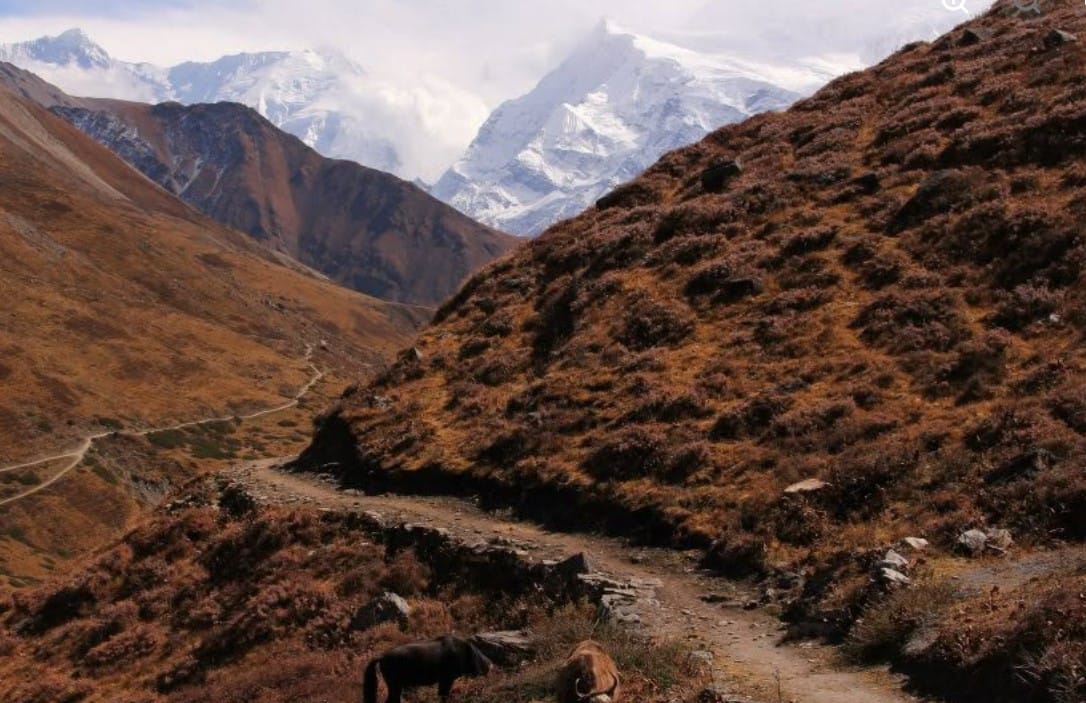
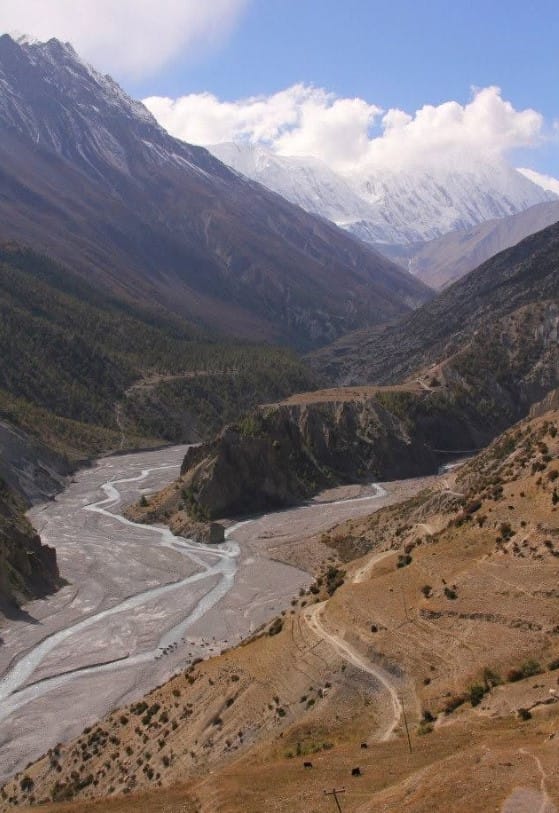
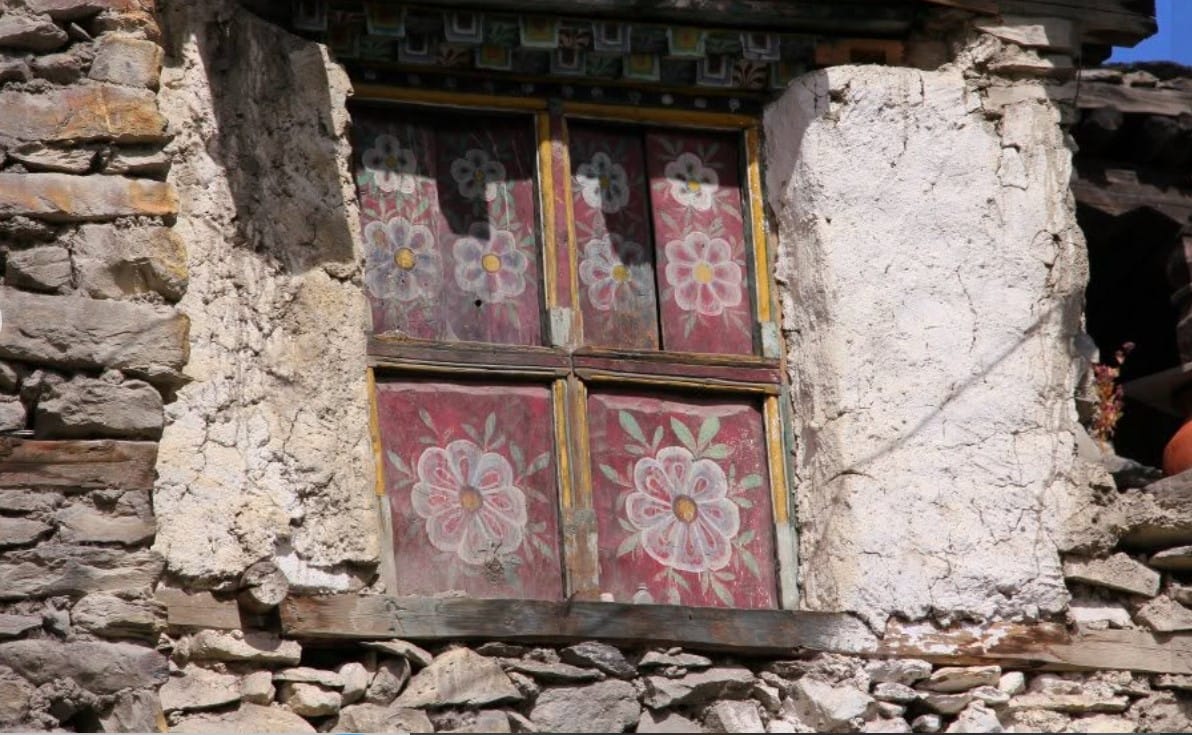
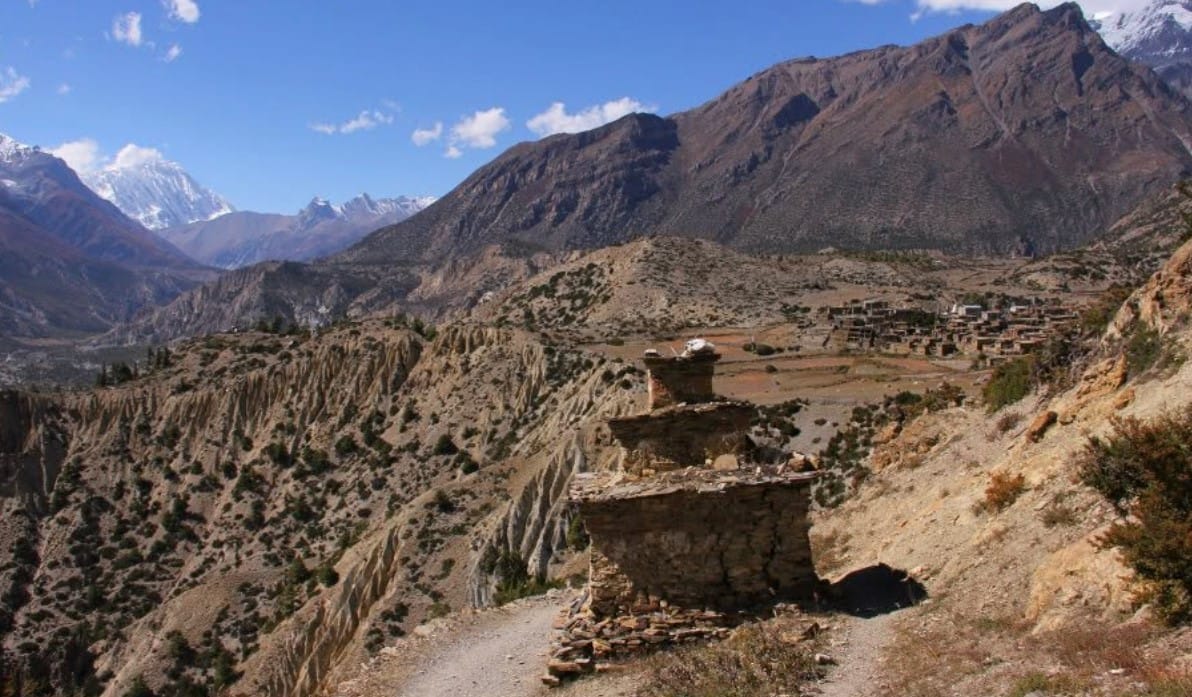
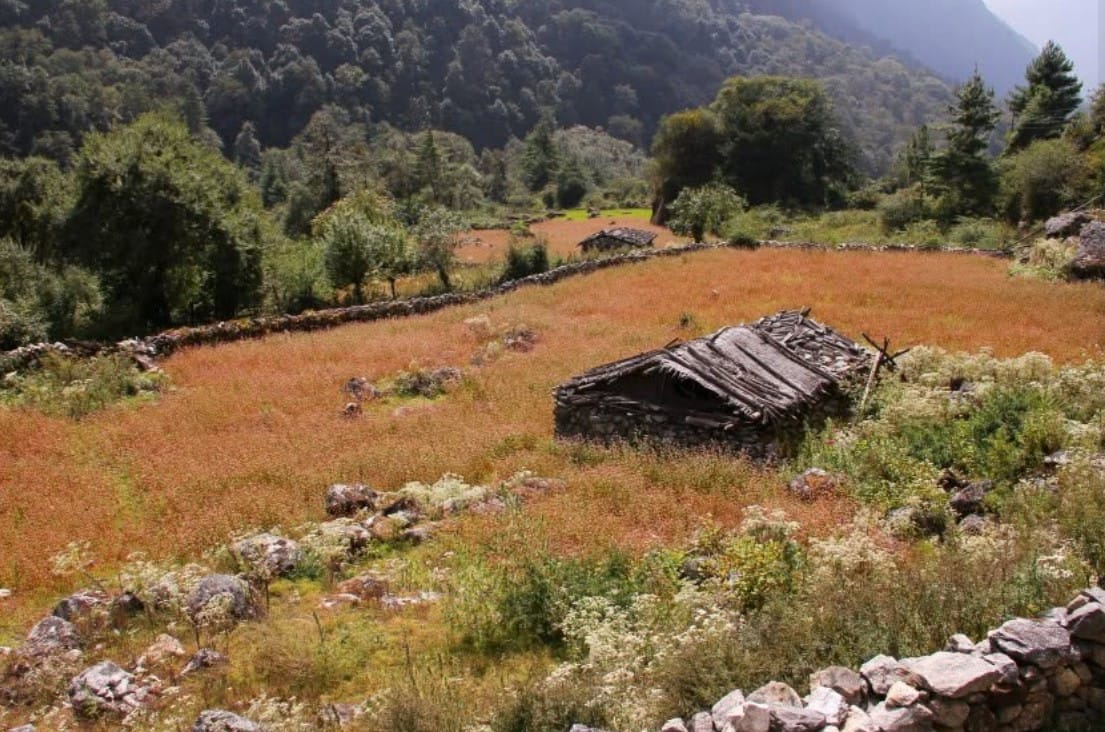
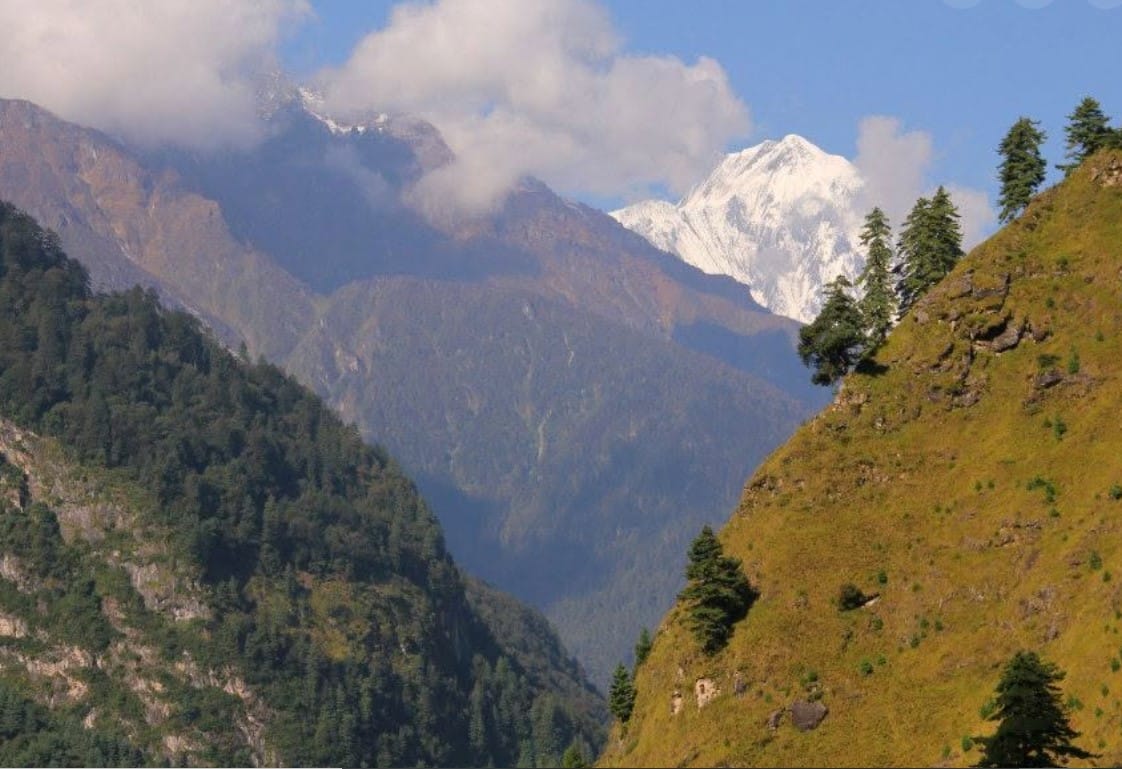
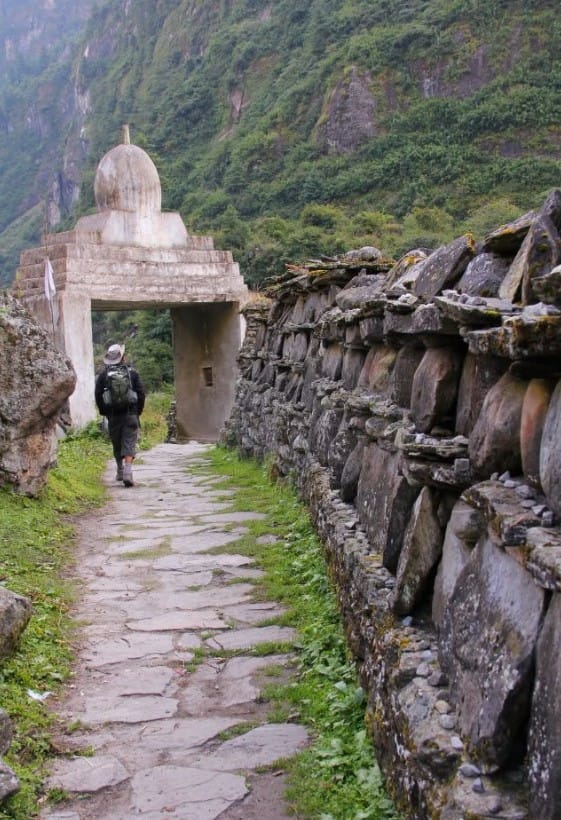
Photos by Megan Lindow