A mother and daughter activate permaculture, arts and food sovereignty with women and children in Western Kenya
By Megan Lindow
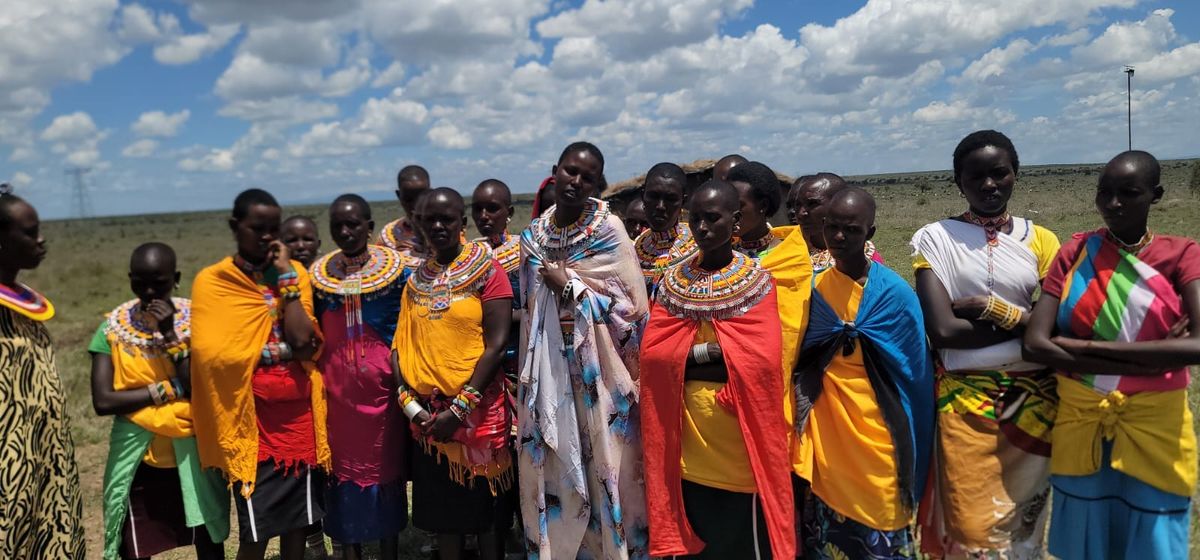
Kenyan permaculturist Wegesa Jane Fraser and her daughter Melody Edwards Wegesa spoke with us from Kitale, Kenya about their work with marginalized communities in the semi-arid and arid drylands, as well as in peri-urban areas, across areas of permaculture, ecosystem restoration, children's creative learning and community building.
You can listen to our conversation here:
Or stream from our new PodBean podcast:
While Wegesa Jane trains women in regenerative farming, land restoration and food growing techniques, her daughter Melody is a teacher of young children, with a passion for fostering children's practical and creative learning outside the classroom.
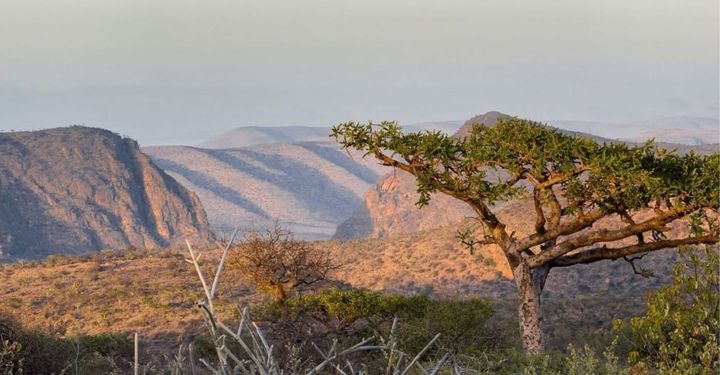
Their home in Kitale sits in Kenya's fertile breadbasket; yet in neighboring counties the conditions grow harsh, with little rainfall and land heavily degraded by livestock grazing. As Wegesa Jane explains, many of the women she works with from pastoralist communities are vulnerable, lacking the skills and agency to change their circumstances. Women typically don't own land, and have little or no knowledge or tradition of growing food. Instead, it is common for households to raise cows and goats that are sold to pay for a male child's education, while girls as young as 13 or 14 may be married off to older men.
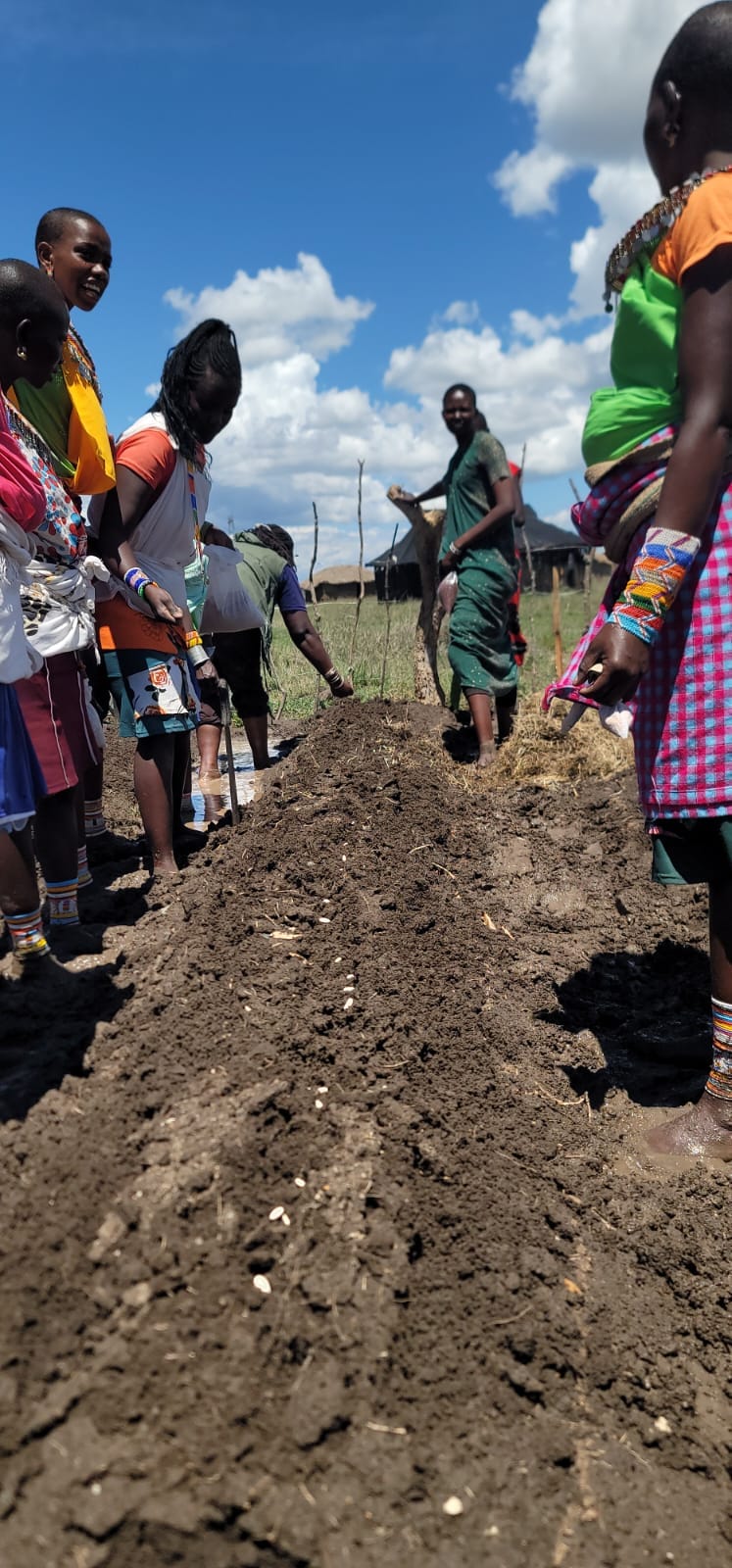
Through trainings for groups of 30 to 100 women in different villages, women learn the practices and principles of agroecology, regenerative farming systems and permaculture design. Through water harvesting and capture in half moon raised and sunken beds, natural composting and pest management techniques, the women learn to grow diverse, healthy food to feed their families and earn a small income from selling the surplus. They also discover how to tap local indigenous knowledge of rain cycles, local plants, and seed storage, making it possible to grow food and sustain production cycles in the harshest of environments.
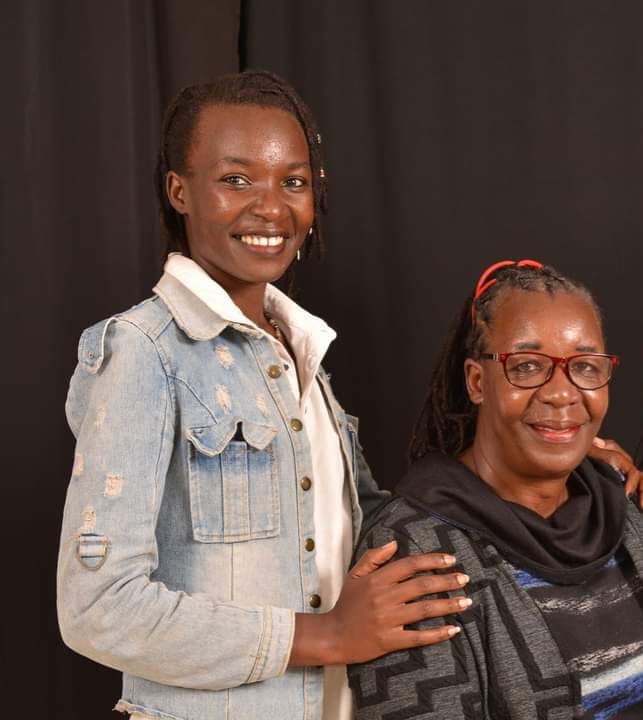
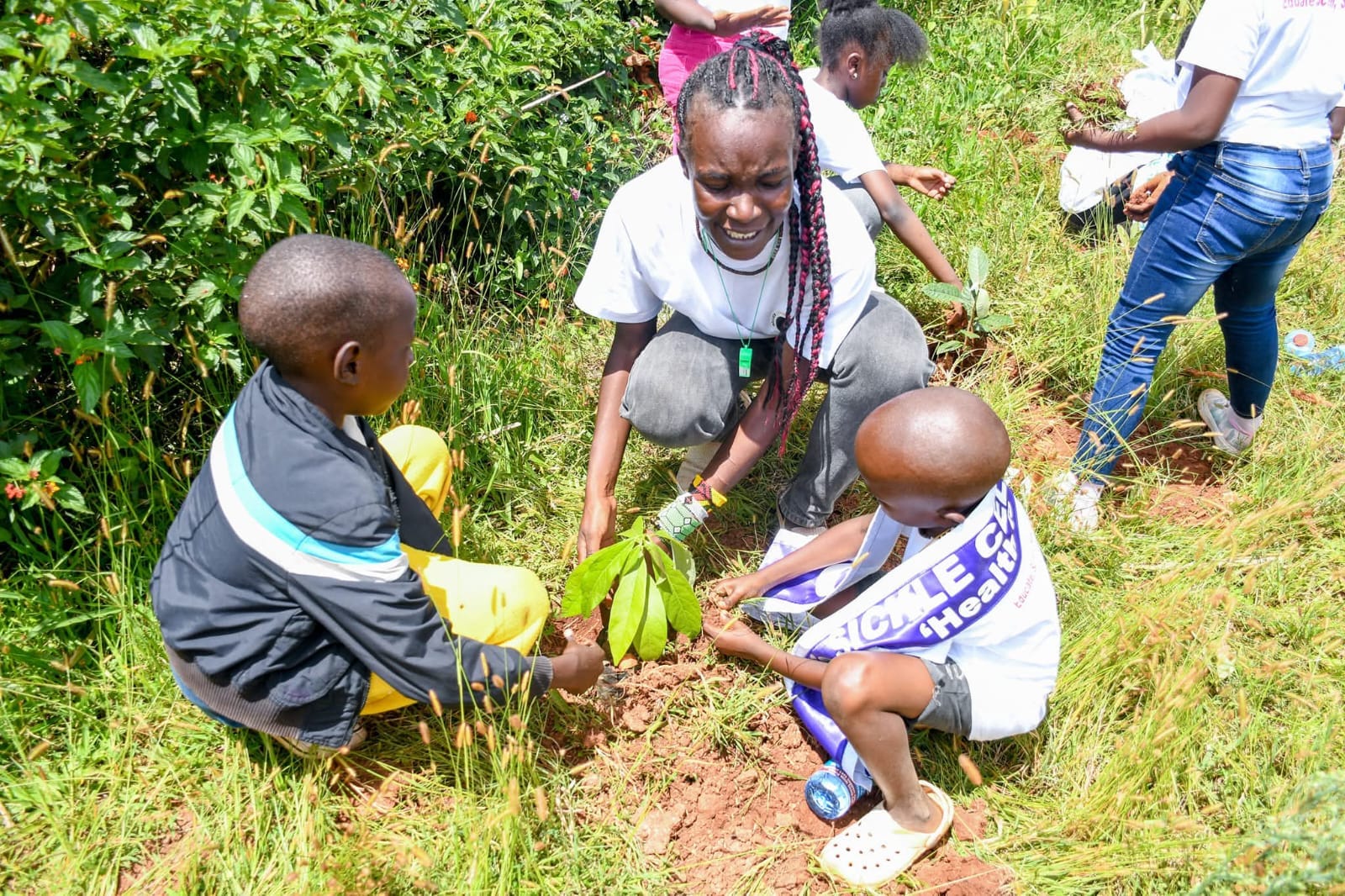
As Melody joined in her mother's work, she realized that the children are being left behind. She has been bringing permaculture into her work with children in different suburban and slum communities around Kitale. She teaches creative arts, music and dance, as well as food growing, observing that children often absorb the knowledge more easily than adults.
"Teaching children permaculture is something we should take seriously," says Melody. "They are the ones who really grasp what it is that we need to change the world. If we teach them while they are still children, then we won't need to teach them when they become adults."
Once they have knowledge of growing tomatoes and carrots, the children have knowledge to help their parents, show their parents new skills, and feel a greater sense of agency in their own lives too.
Both described in such complementary ways the beauty of learning through doing, expressing creativity in groups, and learning through creativity, hands in the soil, from the community and from one another.