Kinship for our heart by Jossyellen Becher
Awe + Wonder at the Climate Consciousness Summit today on our collective healing journey. Our little team at StoryMoss has joy to share with you a poem by our new friend at the Design School for Regenerating Earth, Jossyellen Becher, an acroecologist and a biopoet in the bioregion of Santa Catarina, South East Atlantic Coast of Brazil, the Atlantic Forest. Biopoetry is the way Jossyellen translates into words what nature communicates in silence. We will share her poem first followed with more photographs and an overview of the work of the Felinos do Aguaí Institute.
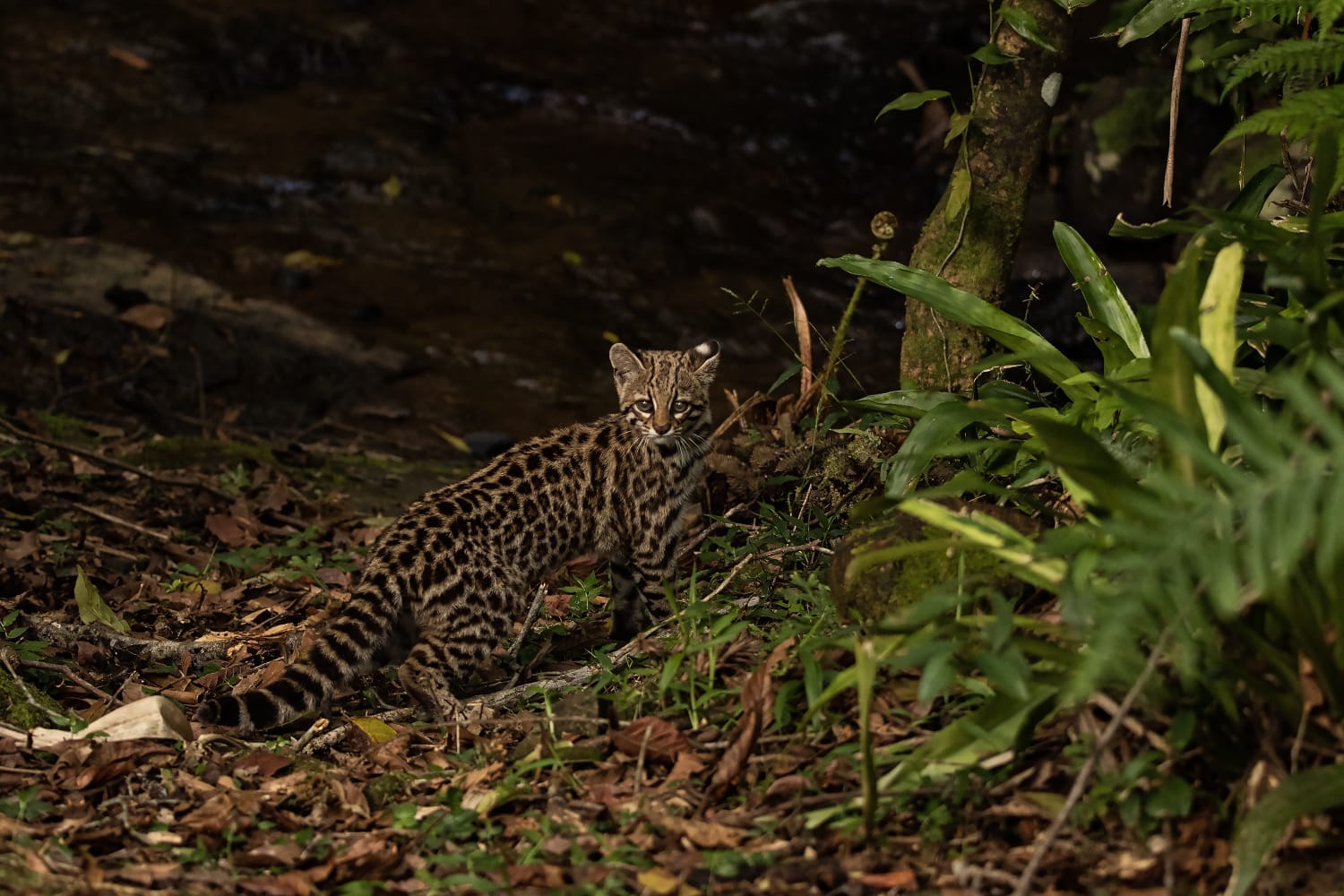
Lyricism in the Rainforest - Jossyellen Becher
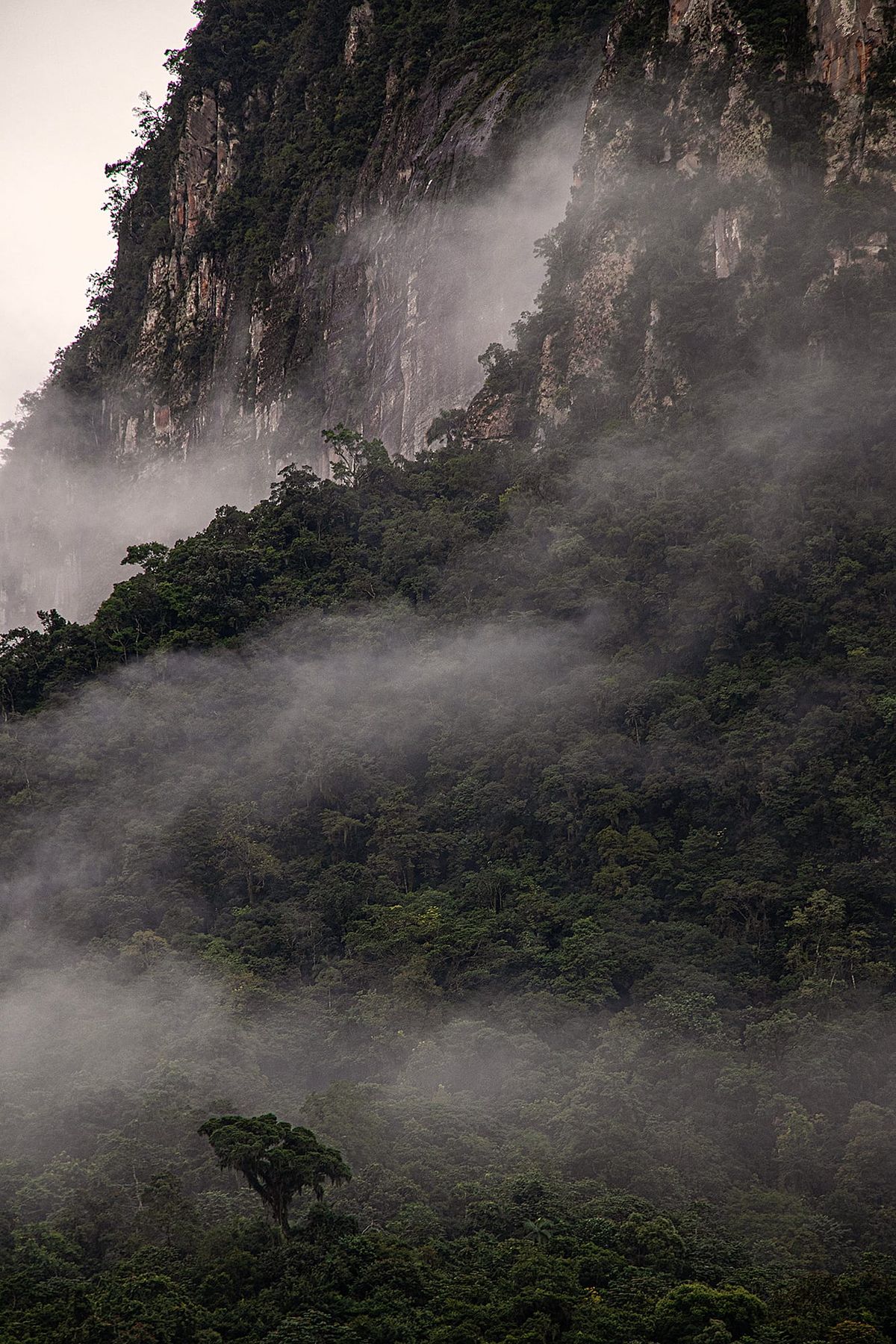
The days in the Atlantic Forest
are shaped in fractions of wind, of time.
The mountain breeze arrives,
and the gray turns the day pale,
quickly, so quickly,
as the cloud descends, veiling time
and making the landscape disappear.
Untouched remain
the trees of the lower forest layer.
Palms, fig trees, trumpet trees,
weathered cedars
and others still unnamed keep their silent identity.
Even in the moisture
their singularity emerges:
individuals, organisms, species.
Birds offer their prayers,
give thanks in different songs.
We recognize them:
the purple-fronted parakeet,
the azure-shouldered tanager,
the green-headed tanager,
the bananaquit,
the rufous-bellied thrush,
the cherry-throated tanager,
each one renewing the pact of the common good,
scattering, sowing,
guarding the future of generations,
no matter the season.
Toucans cross the scene like arrows of color.
When the rain arrives,
the soft contours return,
revealing mountains in distant lands.
Rain is celebrated with joy:
birds in symphony,
leaves trembling at each drop,
the soil receiving seeds, a hymn.
The mystery unfolds
between light and shadow,
between revelation and concealment,
between the visible and the hidden:
pure lyricism of the rainforest.
—--------------
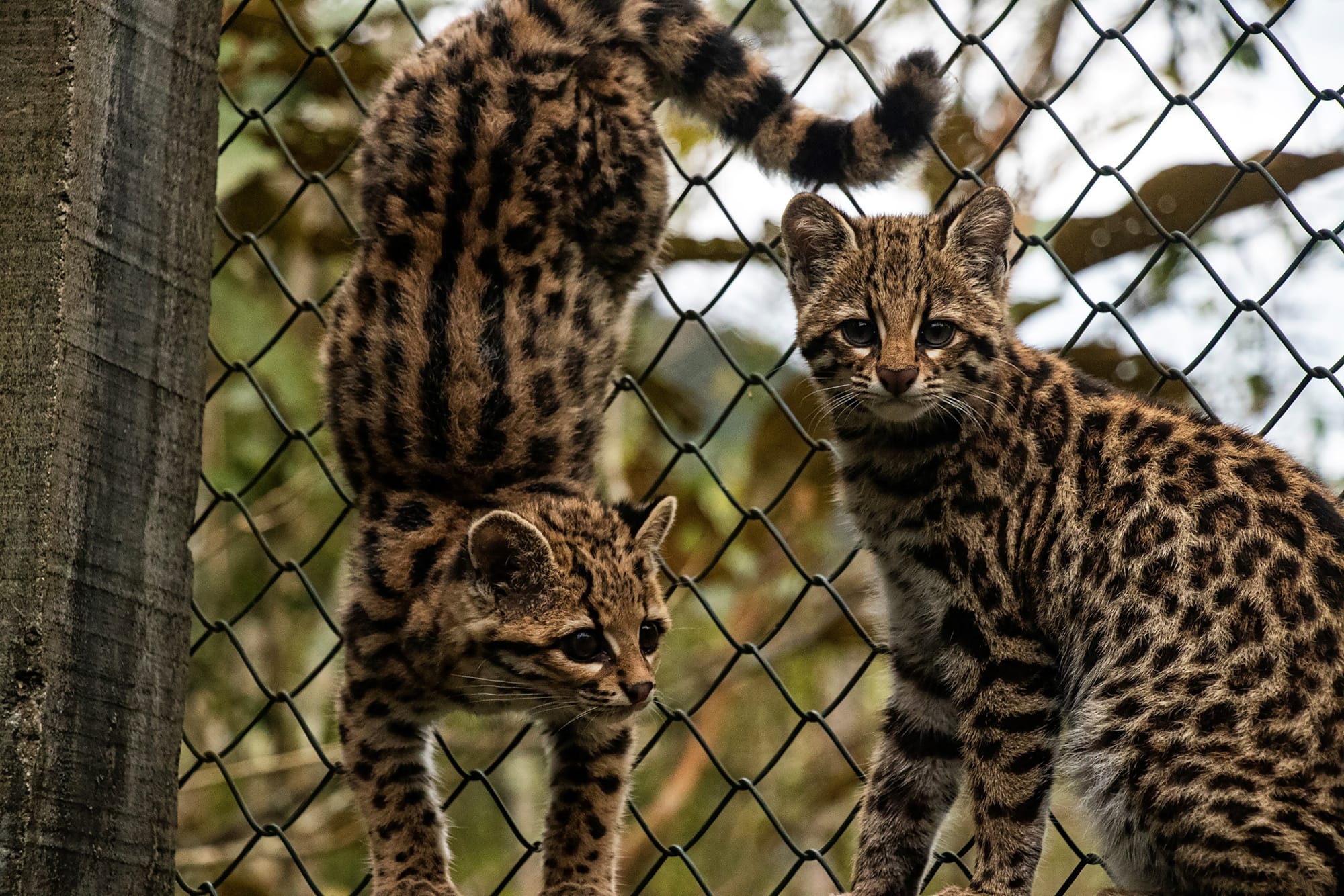
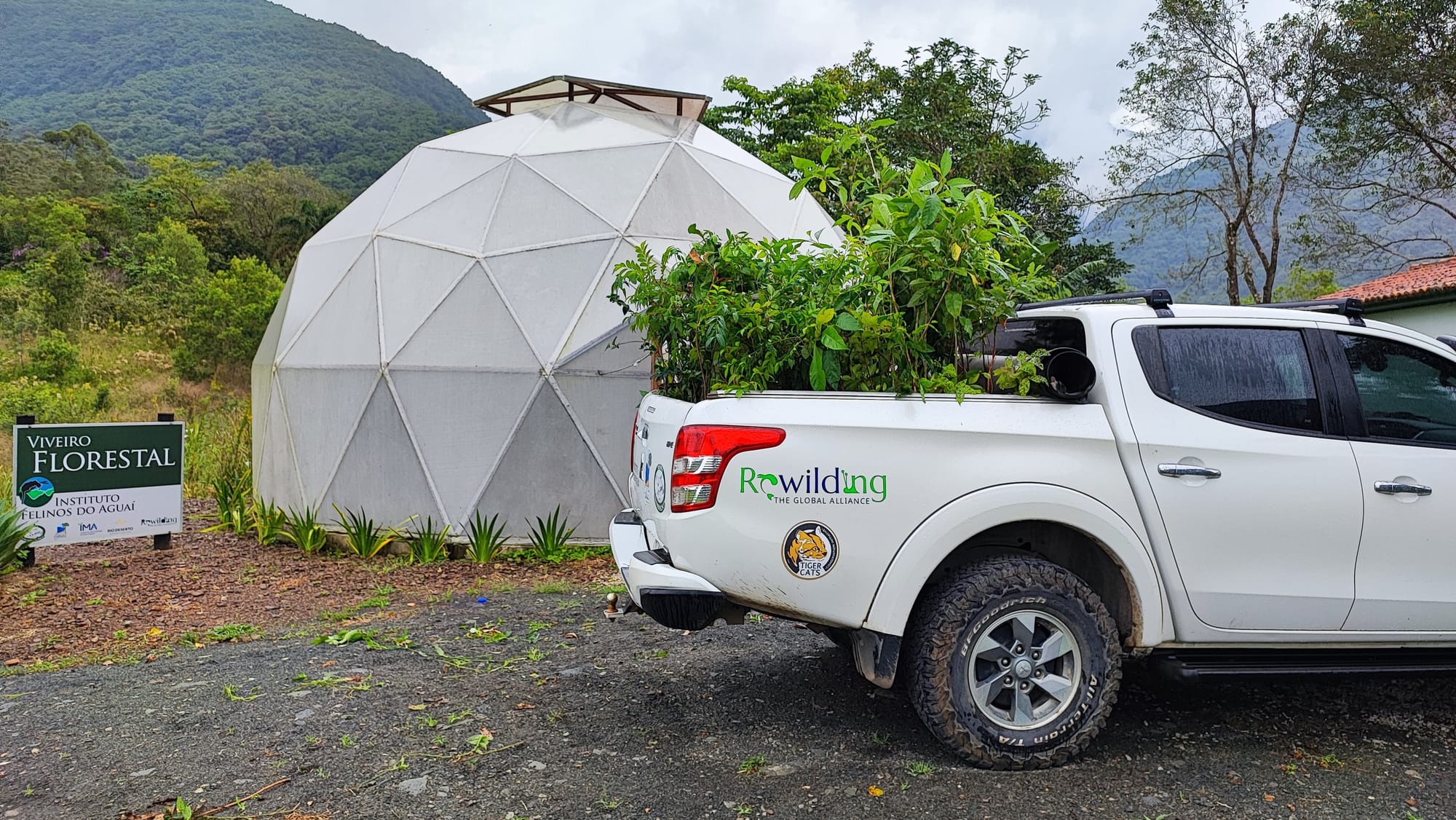
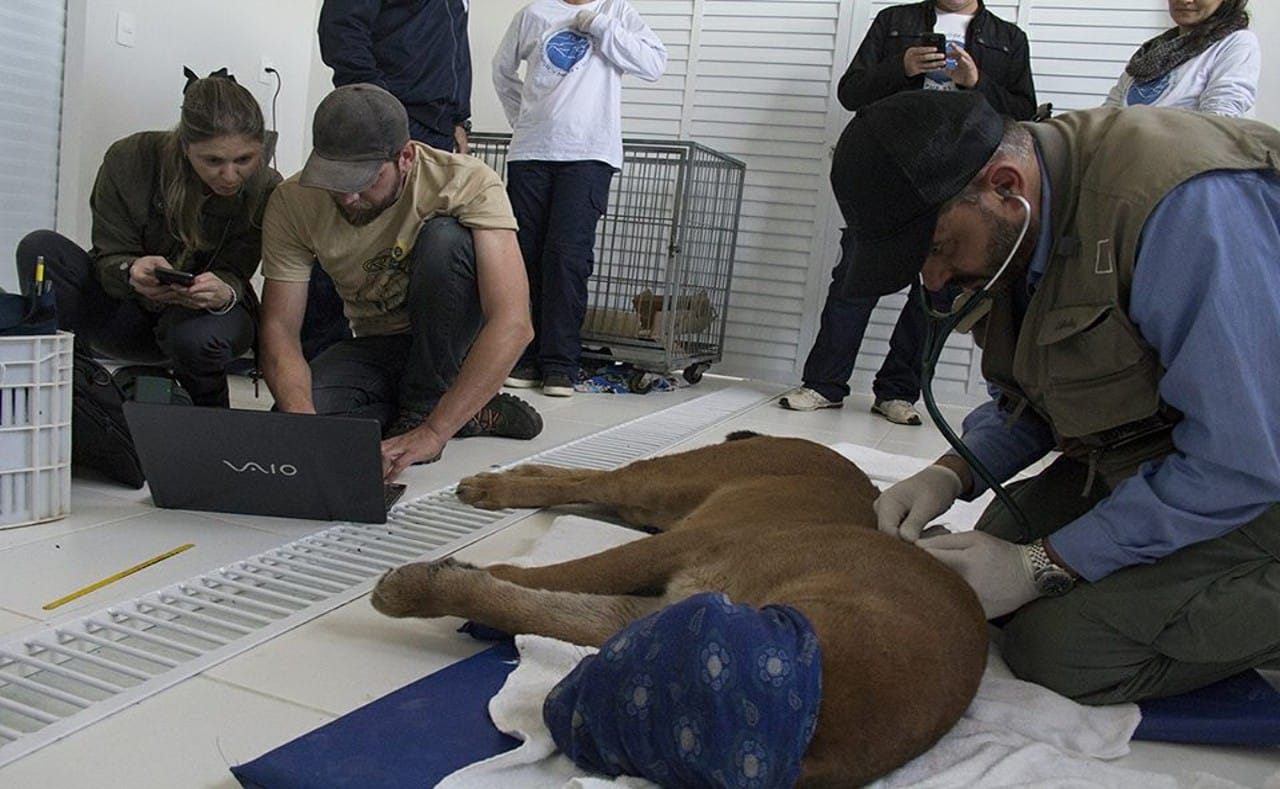
Josyellen's work at the Felinos Do Aguai Institute:
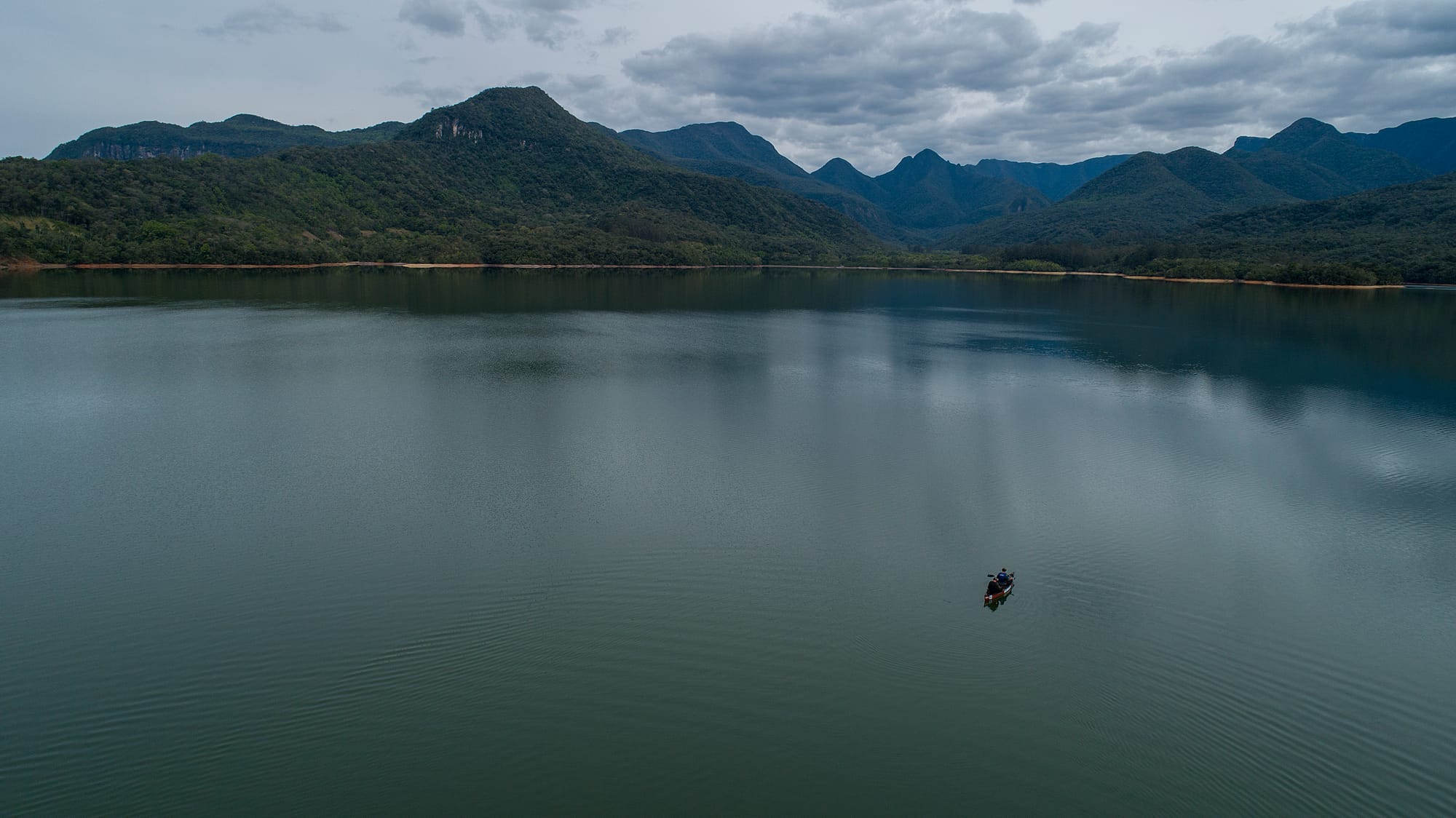
We are a non-profit organization located in the south of Brazil, in the Serra Geral region of Santa Catarina, where the Atlantic Forest unfolds in dense landscapes and more than 300 natural springs that feed the São Bento River Dam, responsible for supplying drinking water to over 300,000 people.
The Felinos do Aguaí Institute was founded in 2005, idealized by Júnior Santos after he recorded a puma (Puma concolor) footprint on the Tropeiros Trail inside the Aguaí State Biological Reserve. Since then, the Institute has become a reference in the conservation of the five wild felid species of the Atlantic Forest: puma, ocelot, margay, southern tiger cat and jaguarundi—key species for ecological balance, forest regeneration, and climate stability.
Our work is focused on two priority areas:
• the Aguaí State Biological Reserve, a strict-protection conservation unit and one of the last large continuous remnants of Atlantic Forest in southern Brazil;
• the São Francisco Reserve, a private protected area that functions as an ecological corridor, strengthening genetic flow among wildlife populations.
Within this strategic territory, we develop four integrated programs:
1. Wildlife Research and Monitoring:
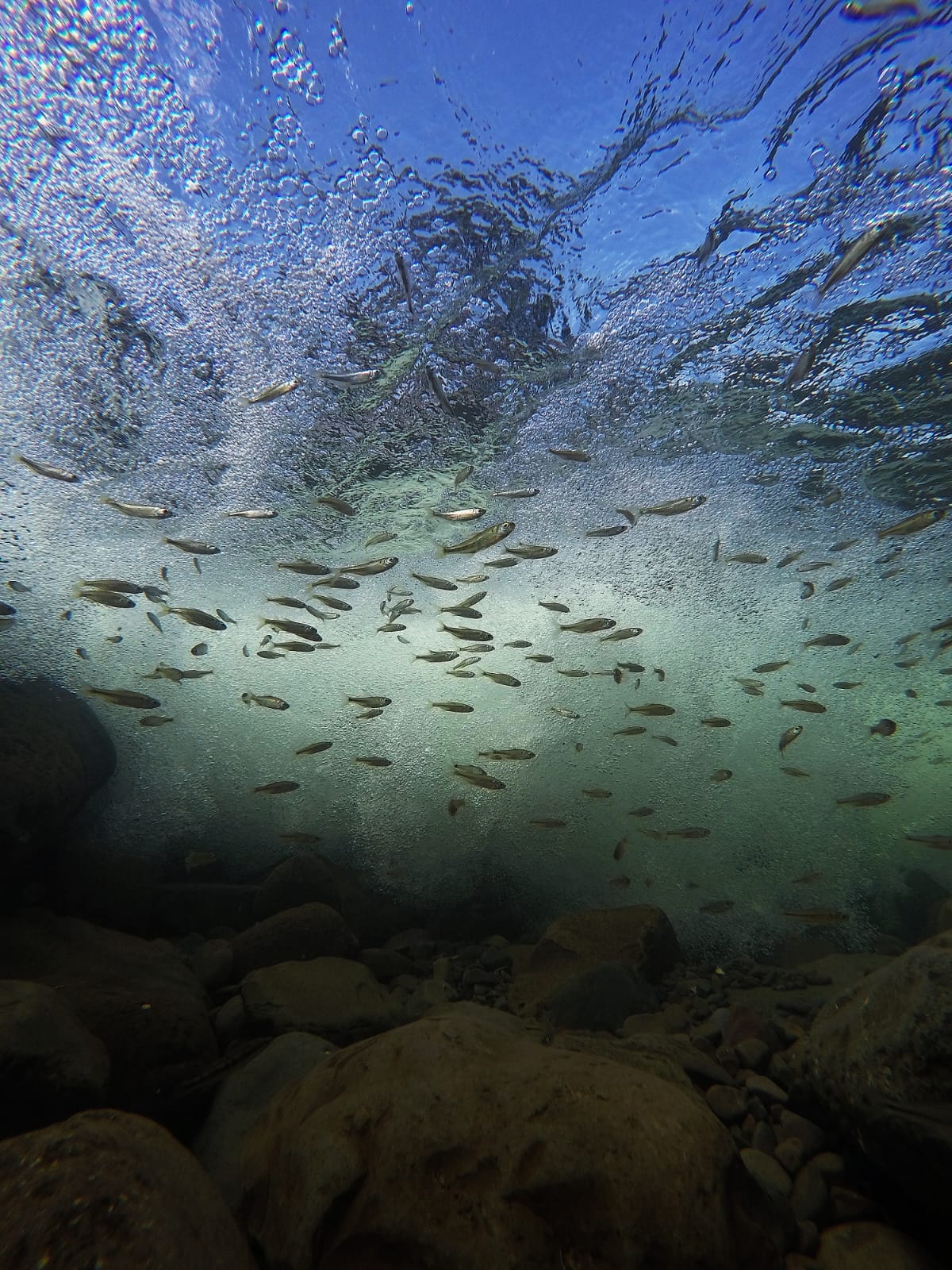
We conduct scientific expeditions, camera-trap and radio-telemetry monitoring, ecological analyses, and technological development. We created SoftFauna, a database that organizes wildlife records and supports studies on conservation, ecological restoration, and climate mitigation. We also monitor critical areas such as the São Bento River Dam and indicator species like howler monkeys, lambaris, and wild felids.
2. Ecological Health (One Health):
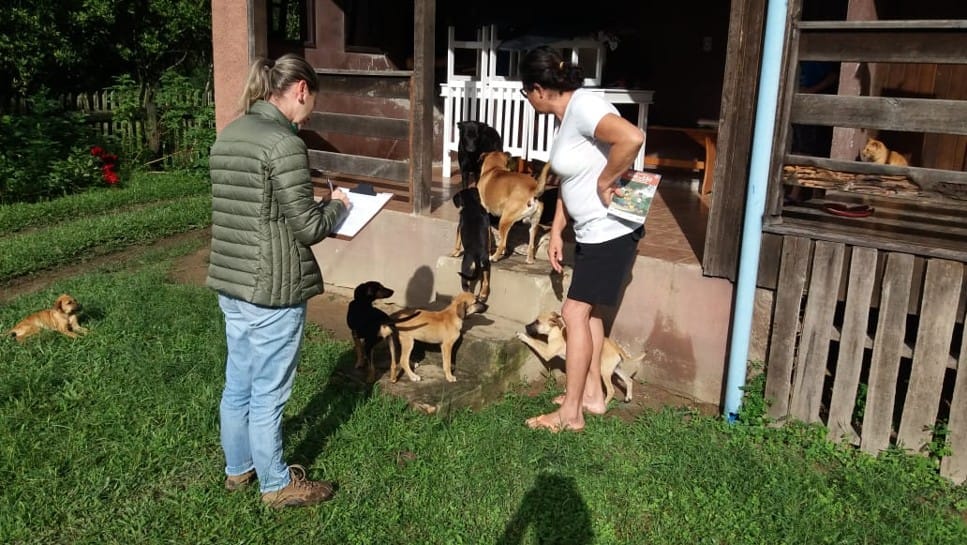
We apply the One Health concept, integrating human, animal, and environmental health. We run spay/neuter and vaccination campaigns for domestic animals, monitor primates to prevent zoonoses, and promote educational actions with surrounding communities.
3. Environmental Education:
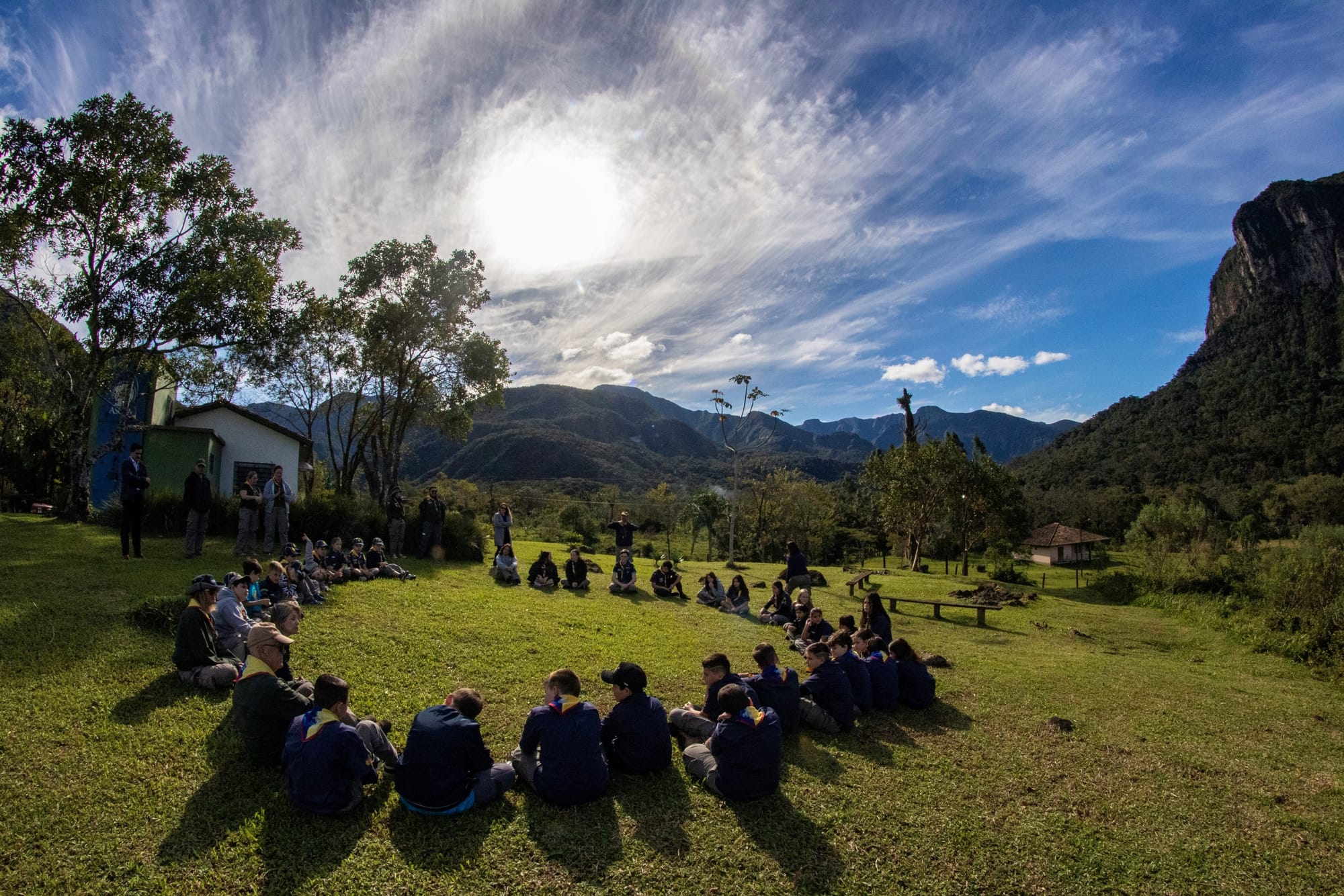
We carry out interpretive trails, workshops, field visits, sensory experiences, activities with students, development of educational materials, and community outreach. We believe that conservation thrives when there is connection, knowledge, and a sense of belonging to the territory, researching to educate.
4. Rewilding and Ecological Restoration:
We rehabilitate and reintroduce wild felids, restore degraded areas with native seedlings from our forest nursery, protect springs, and strengthen ecological corridors. Each felid released and each tree planted brings back part of the forest’s functionality and resilience. The Felinos do Aguaí Institute is a Public Interest Civil Society Organization (OSCIP) recognized by the Brazilian Ministry of Justice, working with transparency, social responsibility, and public commitment. Our team, composed of myself, Júnior Santos, and Micheli Ribeiro Luiz, collaborates with local communities, universities, environmental agencies, international networks, and volunteers who believe in the regeneration of the Atlantic Forest.
Thank you for the opportunity to share our territory, our work, and the poetry that emerges from the forest. If you need any additional information, I am at your disposal and happy to collaborate.
Best, Jossyellen Becher
Instituto Felinos do Aguaí
Felinos do Aguaí @jossyellen | @felinosdoaguai | @rotasdosul