r3.O 2026 Weave + Pre-Confluence Dispatch with Balcones Tejas Bioregional Club, Austin Texas
Emmanuelle Chiche
Year 2! So excited to sit with Confluence hosts Annie Spade, co-founder of the Balcones Tejas Bioregional Club, Austin TX and Kiran Topiwala her creative team mate. Look at the interactive map of their beautiful bioregion: https://www.balconestejas.com/Map.html.
We weaved together reminiscing of last year wonderful confluence pulled together with organic mastery and bioregional love in a few days, with new ideas, suggestions, wishes for this new edition. The most heartfelt moment came when Annie shared that this year in the second edition, the host team has chosen to welcome and give a proeminent role to Water in the design for the 3 day-community-event, please enjoy our inpromptu weave here: https://youtu.be/kuHCgFfgIH4?si=kbEllqpiAhW9wEGu. It is mostly the 3 of us dicussing ideas and bioregional hopes and dreams.
In her profile, Annie writes: " it was my joy to serve 2-6 yr olds as Montessori Guide for 40 years, I now work with the inner child of all ages: partnering with nature to create a thriving future." Annie, by chance, was the first "Confluence" I interviewed last year for the r3.O 2025 Conference + Confluences so there is a full year of growth, updates and insights in between our two encounters. In 2025, the small team had only had a short time to prepare and organize a fabulous Confluence in their bioregion gathering 30+ participants invited to connect, build relations, co-learn and built their bioregional spirit of inquiry together under the stars and the full moon under the Dome. Annie wrote a beautiful essay that we published early on and now again:
 Megan Lindow Emmanuelle Chiche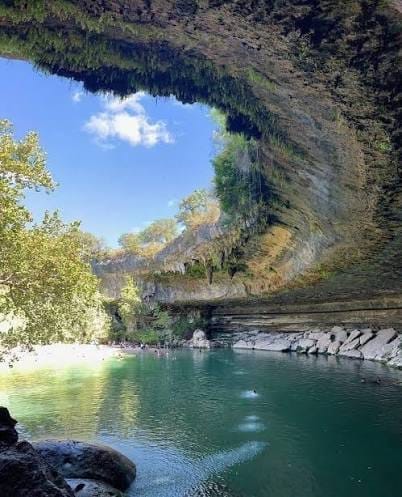
Megan and I had just received a Sacred Book as a flipbook gifted to all Integration Labs participants after our wonderful 9 month-journey at the Climate Crisis Lab at the Pocket Project. I loved it. I offered the idea to Annie and reminded her to take tons of photos of the event and ask participants to share their visual memories with the hosts. The team went to produce this beautiful flipbook that we are sharing for you here: https://heyzine.com/flip-book/c431ca6f31.html
So much work, so many stories, connections and relations, magic insights from more-than-humans, same strong core team of people will gather in well thought and produced flows of events this year mostly with last year's participants returning with joy, this year local master naturalists are invited too, part of Annie's new group as she just certified and the ecosystem is growing strong.
There were 13 moons since the first confluence in 2025, a well designed website was created: https://www.balconestejas.com/. The Balcones Tejas Bioregional Club holds bi-weekly meetings that drive a full and rich agenda. New Moon falls on September 11 the day after the r3.o Conference on September 8, 9 , 10, 2026. the New Moon marks the beginning of a fresh lunar cycle, making it a powerful time for deep reflection, letting go of what no longer serves us, and setting clear new intentions.
This year, the team has chosen to focus on listening to the land and water as bioregional guides, particularly in Texas where many communities are built near creeks and rivers. The Confluence last year inspired Annie to explore her watershed and the small creek near her home. She has now grown a much more intimate relation with the creek and all its inhabitants. In a recent confluence meeting where they discussed stewardship of the land and water, the bioreginonal stewards decided to include a ceremony of apology to Indigenous peoples at the Dome where the Confluence will take place. Annie shared their group's reverence for the Cosmic Story about life emerging from water 4 billion years ago. The Cosmic Story is read as the opening ceremony of the gathering. This year edition has expanded the circle to include Master Naturalists, who will have a table at the Confluence event. Annie just finished her Master Naturalist training this year enlarging the Balcones Tejas Bioregional Club ecosystem. The Confluence hosts plans for a water ceremony involving a glass container where participants can add water and optional elements like salt, with the intention of creating tears of joy. Participants are invited to bring a small container of the water from their land nearby.
Biocultural Conference Activity Planning
Together we discussed ideas for making confluence activities more visual and biocultural, including watershed mapping, indigenous knowledge, and biocultural imagery and folktales. We imagined asking confluence participants about the spirits of their places and encouraging them to learn the local flora and fauna names in a 10 mile-radius from their home (Eco-feminist Sophie Strand's morning gratitude practice in the Hudson Valley.) The discussion focused on creating more meaningful connections between people and their natural environment through knowledge of local ecosystems and indigenous practices. It felt like bioregional peer-coaching, a joyful idea-storming bath.
Cosmic Spiral Ceremony Planning
Annie discussed plans for an upcoming cosmic spiral ceremony, explaining that participants will place stones, animal figures, and plant materials along a 138-foot golden twine as part of the ritual. The ceremony will be held at a new bioregional learning center where Ashley, the Dome's hostess is already running summer camps and yoga programs. Kiran proposed adding a star viewing component after the ceremony using his telescope, taking advantage of the new moon timing and the area's dark sky designation.
Edwards Plateau Bioregional Learning Center
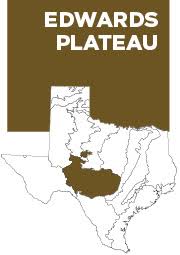
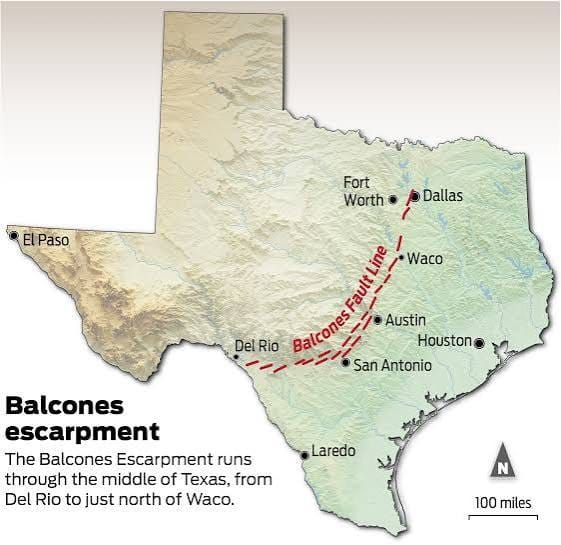
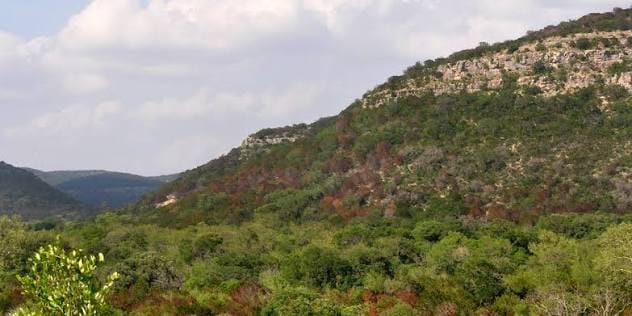
We discussed the geographical features of the Edwards Plateau and Balcones Tejas Escarpment area, where a bioregional learning center is being established. Annie explained that the area consists of both Edwards Plateau and Blackland Prairie soil types, connected by rivers flowing from west to east. The discussion covered the natural vegetation, including ash junipers, live oaks, and cedar elms. We discussed shooting short videos of the land, pathways and hikes.
Texas Land and Water Management
Annie explained that most land in Texas is privately owned, with limited government oversight during its initial settlement. She discussed how climate change and poor land management have affected water flow in her area, and how Kiran's education and practical techniques have helped residents better manage their land and water. Kiran is a visual anthropologist and bioregional engineer at the Kula Applied Research Instiute, an Austin, TX based 501(c)(3) public charity. The Institute dpes qualitative systems research: gathering stories from the people and land of a bioregion until scattered regenerative practice becomes visible to itself, and can be organized, adapted, and funded. From storytelling to regeneration.
Derived from Sanskrit, Kula loosely refers to "part of a village" and conveys a deep sense of belonging and trust. The Institute exists to make that possible somewhere specific, not to be a brand of its own. More at https://inserviceofearth.org.
Kiran described his approach of using simple water management techniques like landscape rehydration patterns and natural barriers to help properties retain water and promote land healing. Kiran, Annie and special friend Tex Jude Albert have collaborated on a rich Whitepaper on the new Balcones Tejas Bioregional Club that we are sharing here and will go more in depth with the Confluence Debrief in a few weeks: https://drive.google.com/file/d/10hWsrfjDOQYk8p-mBTrrXPReUMKISkuj/view?usp=sharing. Highlights on the topic of water in Central Texas we are sharing here:
"The Balcones Escarpment and the Hill Country it borders are an unusually legible bioregion. The fault line is visible in the land itself. The Edwards and Trinity Aquifers are the water supply for millions of people and are recharged almost entirely by rainfall on a limestone karst. The region's native plant and animal communities, its spring-fed creeks, its oak-juniper woodlands, its endemic salamanders and songbirds, exist nowhere else on Earth in the same combination. And the region is growing fast enough that the choices made in the next decade about how it is settled, farmed, and stewarded will shape it for generations. "
It was a privilege for me to be in a preparatory meeting with the two hosts a few weeks before the Balcones Tejas Wine Club Confluence 2026. We exchanged a lot of ideas, joy and excitment. Bioregional friendship is the best.